The Santa Ana Effect:
Dust & Your HVAC
Why desert dust moves so aggressively during wind events and why vents, returns, and airflow paths show the impact long after the weather changes.
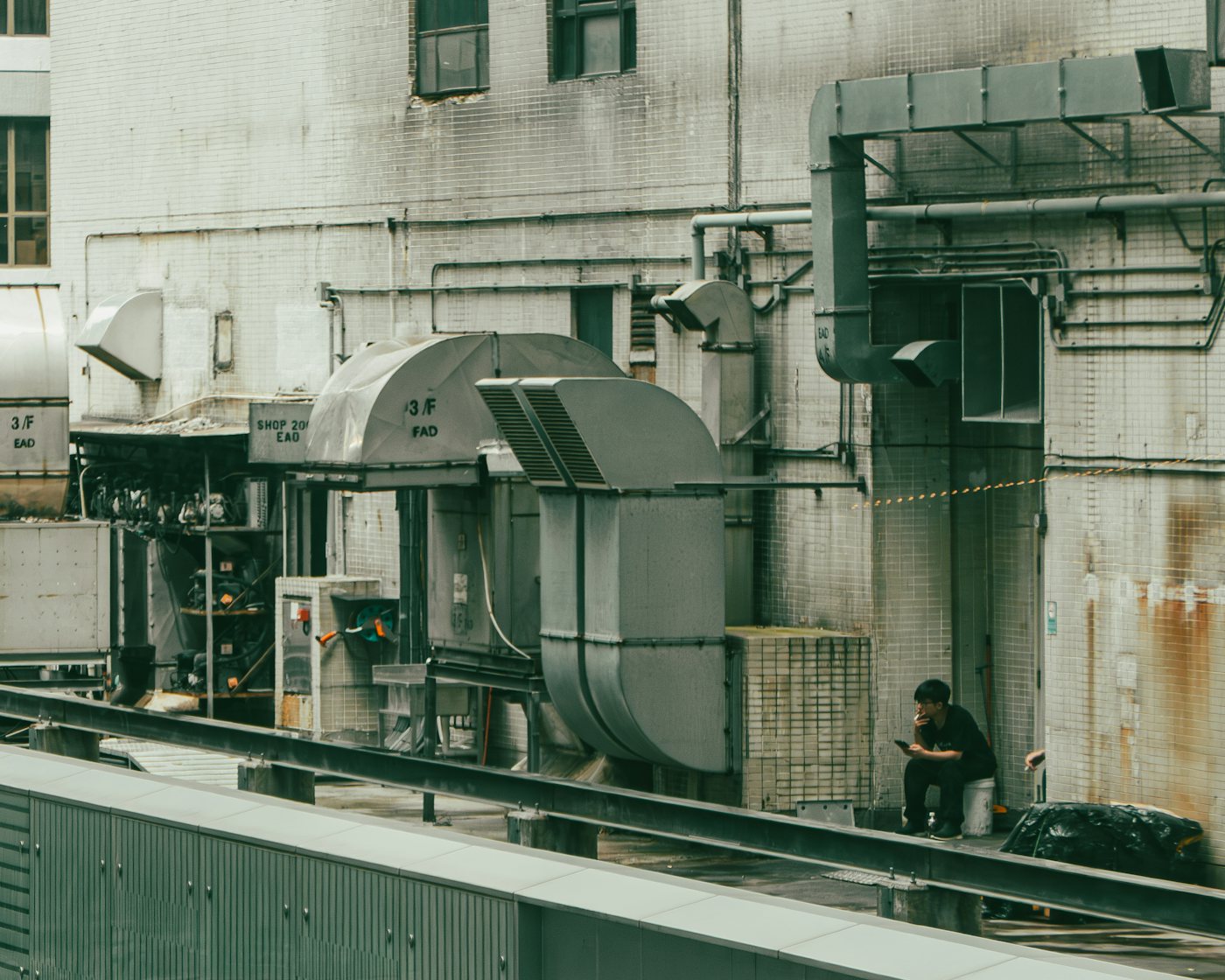
Santa Ana winds are not only a comfort issue. They are also a building-maintenance issue. Dry gusts carry fine particulate across the region, and that dust can make its way into return grilles, duct seams, filters, and other parts of the air path that are easy to ignore until occupants start noticing dirtier airflow.
1. Why Santa Ana conditions are different
These wind events tend to raise particulate load fast. Buildings with older seals, active door traffic, shared corridors, or heavy return-side dust already present usually feel the impact first. That is why some homes and commercial spaces suddenly seem dustier even when housekeeping routines have not changed.
2. What happens inside the system
Once wind-driven dust enters the building, the HVAC system can help redistribute it. Some of it lands on surfaces. Some settles around returns. Some gets stored inside the duct path and comes back into circulation every time the system runs. That is where indoor air quality complaints and airflow concerns begin to overlap.
What owners usually notice first
The first signals are usually more dust at supply vents, faster dirt buildup around returns, rooms that feel stuffier than usual, and the sense that filters are loading up unusually fast during the season.
3. When cleaning becomes the practical answer
If dust is visibly returning through the vent system, surface cleaning is usually not enough. That is where air duct cleaning or broader ventilation service becomes more practical, especially in Los Angeles buildings dealing with repeated dust periods, older ductwork, or existing airflow problems.
- / Dust appears around supply vents soon after cleaning.
- / Returns and filters load up unusually fast during dry wind periods.
- / Rooms feel stale, dusty, or uneven after strong weather shifts.
Related service paths
Santa Ana dust questions usually route into air duct cleaning, dust-related problem pages, or the Los Angeles local service layer when the issue is tied to both environment and building airflow performance.