Homes and condos
Occupants usually notice stale rooms, bathrooms that clear slowly, or support spaces that hold warm air too long.
Problem
Poor ventilation means air is not being cleared, exhausted, or circulated the way the building needs. The result is usually stale rooms, weak airflow, hotter service areas, and a space that feels harder to occupy comfortably and safely.
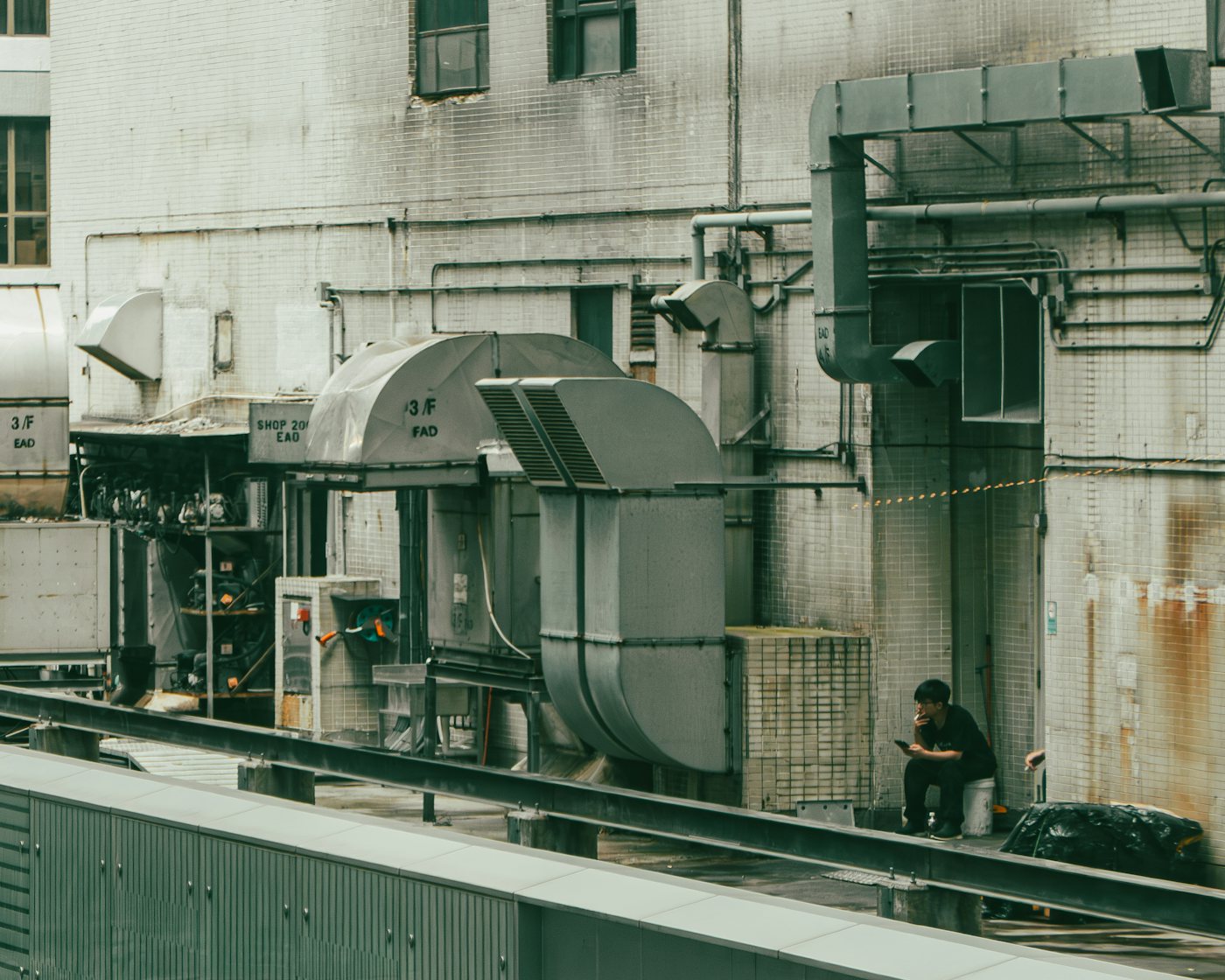
Poor ventilation is one of those building problems that occupants can feel long before they can describe it clearly. Rooms feel stale. Corridors feel heavy. Laundry or utility spaces seem hotter than they should. Certain areas hold odors or feel like the air is not really moving. In homes this may be blamed on the weather or the HVAC unit. In commercial buildings it often becomes a recurring comfort complaint that never fully goes away. The common thread is the same: the building is not clearing or circulating air effectively enough for the way it is being used.
This page is designed to explain that symptom in practical terms. Poor ventilation can come from dirty airflow points, neglected exhaust-related sections, weak circulation in shared spaces, or broader maintenance gaps around how air moves through the property. It connects most directly to ventilation cleaning, but sometimes also overlaps with air duct cleaning when the conditioned-air path is part of the problem.
Occupants usually notice stale rooms, bathrooms that clear slowly, or support spaces that hold warm air too long.
Shared corridors, laundry rooms, and common areas often reveal the issue first because several residents feel it at once.
Tenants often describe poor ventilation as stuffy air, weak airflow, or support areas that never seem to clear properly.
Weak ventilation quickly becomes an operations issue when service areas and common spaces feel harder to manage.
Poor ventilation means the building is not exchanging, clearing, or circulating air efficiently enough for the way the space is occupied. That can involve common-area airflow, support-room exhaust, dirty vents and grilles, or a broader system pattern that allows stale air, heat, dust, or odors to linger. In other words, the building is not moving air the way occupants expect it to.
It also means the problem may be wider than one room. Shared-airflow complaints often affect several spaces at once, which is why poor ventilation tends to feel like a building-level issue instead of a one-vent issue. This makes it different from a narrow dryer-vent problem and somewhat different from a purely duct-dust problem. It often lives in the broader ventilation layer of the property.
Rooms or common areas do not clear heat, odor, or stale air as effectively as they should.
Service zones, laundry areas, and utility rooms often hold warm air longer when exhaust-related sections are dirty or weak.
Corridors, lobbies, and common rooms can feel heavy when shared airflow points are not performing well.
The symptom often means ventilation care has become too reactive instead of planned.
Poor ventilation can come from dirty vents and grilles, accessible airflow points loaded with buildup, weak exhaust-related sections, neglected support-area ventilation, or airflow patterns that no longer fit the occupancy of the space. In some buildings, poor ventilation is made worse by dusty returns or HVAC duct conditions, but in many cases the issue lives in the broader shared-airflow and exhaust layer rather than in the conditioned-air duct path alone.
Grilles and vents loaded with dust can reduce how effectively the building moves and clears air.
Laundry rooms, bathrooms, and service areas can struggle when exhaust-related sections are neglected.
Common areas can feel heavy when the building is not maintaining airflow consistently across occupied zones.
Dusty returns and poor conditioned-air delivery can overlap with ventilation complaints and make them feel worse.
Poor ventilation is not only a comfort problem. It creates operational, indoor-air, and safety-related consequences that become more visible over time.
Occupants feel the air as heavy, stuffy, or slow to clear, even when temperature alone seems acceptable.
Laundry and utility spaces often become harder to work in when weak airflow allows heat to linger.
Property teams spend time addressing symptoms that continue to return because airflow performance has not actually improved.
When service-heavy areas trap heat, odor, or stale air, the building becomes less predictable and less comfortable to operate.
This problem connects most directly to ventilation cleaning, because that service focuses on the broader airflow and exhaust-related sections that affect how a building clears air. If stale common areas, weak support-space exhaust, dirty ventilation points, or warmer utility rooms are part of the complaint, ventilation cleaning is usually the first service path to review.
The issue can also connect to air duct cleaning when the complaint includes dust at vents, stale conditioned air, or return-side buildup inside the HVAC path. In practice, many buildings need the diagnostic distinction more than they need generic information. This page is meant to help users understand which layer of the air system likely needs attention first. For broader reading, see common commercial ventilation problems and Los Angeles dust and ventilation.
Common signs include stale or heavy rooms, weak airflow from ventilation points, warm laundry or utility spaces, odors that linger too long, dirty grilles that reload quickly, and complaints that the air never feels fully clear. In commercial buildings, occupant comments often become the clearest signal because several people may describe the same discomfort differently.
Hallways, lobbies, or shared rooms feel under-ventilated even when the HVAC system is running.
Laundry rooms, bathrooms, and service areas hold heat and air longer than they should.
Visible buildup at grilles often points to a broader ventilation maintenance problem rather than simple neglect.
If several occupants raise the same concern, the issue is likely systemic rather than isolated.
Professional service is needed when stale-air complaints are consistent, when support spaces are clearly warmer or less workable than they should be, or when dirty ventilation points keep reloading despite normal maintenance. If the issue affects several rooms or several occupants, that is a strong signal that the building needs a real ventilation review instead of more piecemeal fixes.
If rooms repeatedly feel stale and weakly ventilated, the issue has moved beyond simple comfort preference.
If the same complaint appears across tenants, floors, or support spaces, the building should be assessed directly.
If weak ventilation is paired with dust at vents, the property may need both ventilation and duct-path review.
If laundry or service spaces are harder to operate because of heat and weak exhaust, the issue should not be delayed.
These are the questions people ask most often when a building feels stale or weakly ventilated.
Most people describe it as stale, heavy, stuffy, or slow-clearing air, especially in common or support spaces.
Not always. Dirty ducts can contribute, but poor ventilation often points to broader shared-airflow or exhaust-related problems.
Yes. That is one of the main reasons this service exists, especially when the complaint extends beyond one HVAC duct section.
When the problem includes dust at vents, dusty returns, or conditioned-air delivery issues, the HVAC duct path may also need attention.
Yes. In those settings the issue usually becomes more visible because several occupants or staff members feel the same discomfort at once.
If the problem is consistent, affects several spaces, or is disrupting support areas and comfort, professional assessment is the right next step.
If the issue affects comfort, airflow performance, or service-area usability, move into ventilation assessment before the pattern becomes normal.