Exhaust-side review
Used when the problem is tied to stale air, lingering heat, weak exhaust pull, or buildup in service spaces and laundry areas.
Core Service
Ventilation cleaning helps restore airflow, reduce dust migration, support safer exhaust performance, and correct the stale-air conditions that show up in laundry rooms, common areas, service spaces, and occupied buildings across Los Angeles.
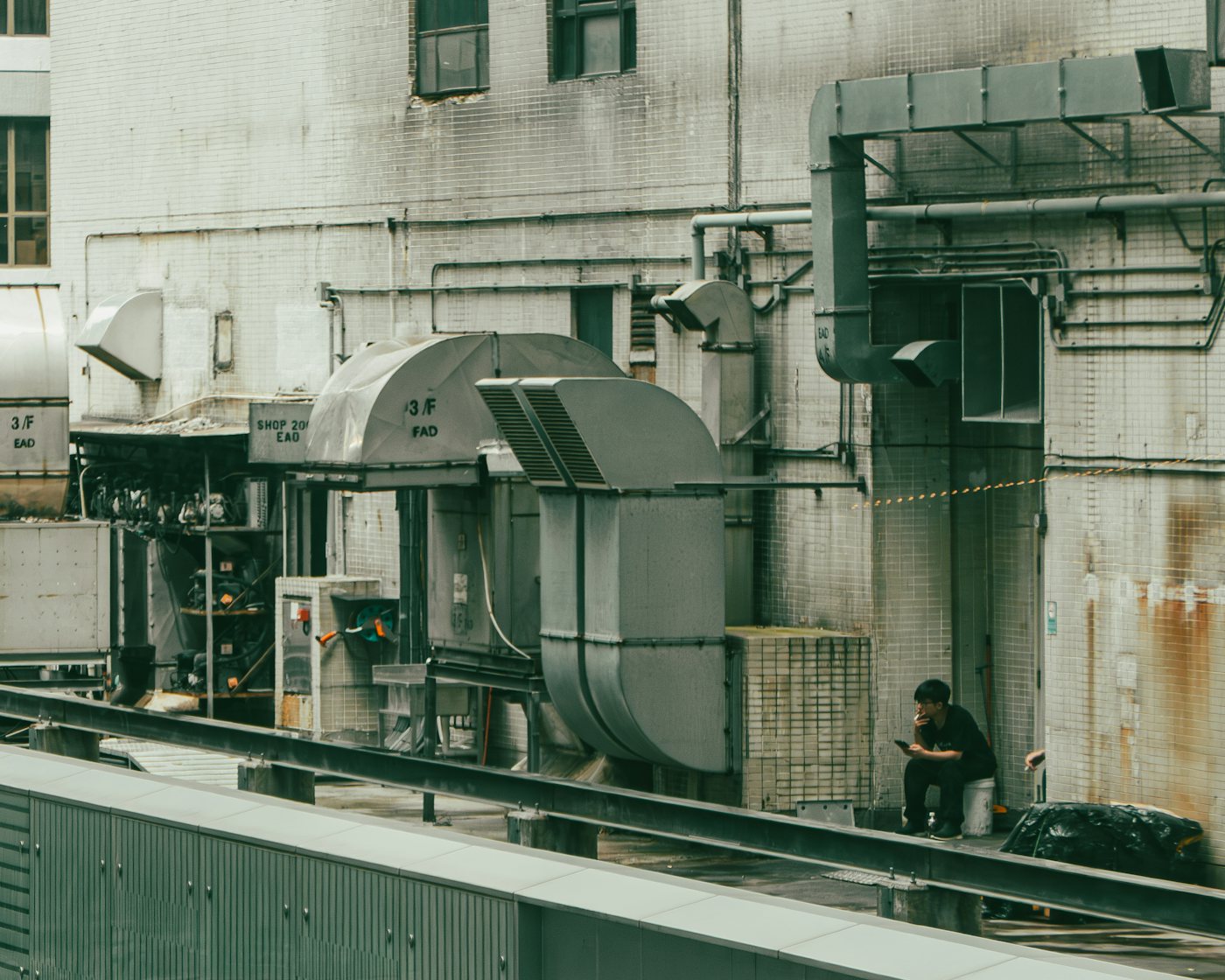
Ventilation cleaning is the broader service path for buildings that have airflow complaints, dirty grilles, weak exhaust, stale shared spaces, or visible buildup around supply and exhaust points. It sits between narrow single-system cleaning and full building maintenance planning.
Used when the problem is tied to stale air, lingering heat, weak exhaust pull, or buildup in service spaces and laundry areas.
Useful when common areas, hallways, restrooms, or utility spaces show dust accumulation and inconsistent air movement.
The goal is not just cleaning for appearance. It is restoring practical airflow so the system works more predictably.
This page also helps buyers determine whether the issue belongs in ventilation cleaning, air duct cleaning, or dryer vent cleaning.
Buildings rarely describe the problem as ventilation cleaning. They describe symptoms: stuffy rooms, weak airflow in common areas, hot laundry rooms, restroom exhaust that does not clear moisture fast enough, or complaints that dust and stale air keep coming back. Those are usually maintenance signals rather than isolated occupant preferences.
In residential settings, the issue often shows up in shared laundry rooms, older condos, mixed-use properties, or homes where airflow feels inconsistent between spaces. In commercial settings, the problem is more operational: uncomfortable tenants, service rooms holding heat, odors lingering, or building teams seeing buildup around vents and exhaust points.
The value of this service is that it gives the buyer a broader path than a single duct run. If the building has connected airflow issues, ventilation cleaning can address the visible buildup, clarify the affected paths, and route the property into the right recurring maintenance plan.
The process is built to clarify what is dirty, what is restricted, and whether the problem belongs to a wider building-maintenance issue.
We start with the spaces that are showing symptoms, the property type, and whether the issue is comfort-related, exhaust-related, or tied to visible buildup.
Supply points, return points, exhaust grilles, and connected service areas are reviewed so the work is aimed at the actual airflow path instead of only the most visible vent cover.
Dust, loose buildup, and surface contamination are removed from the ventilation components that are part of the agreed scope.
After cleaning, the property has a clearer view of whether the airflow issue was buildup-driven or whether a broader operational problem still needs attention.
If the building really needs air duct cleaning, dryer exhaust cleaning, or a recurring program for managers, that routing is obvious after the initial service.
Ventilation cleaning matters because airflow problems affect more than comfort. They change how spaces feel to residents, tenants, guests, and facility teams, and they can point to building maintenance drift.
Dust around grilles and weak air movement can make occupied spaces feel heavier, dirtier, and less comfortable even when the HVAC equipment is technically operating.
In laundry rooms, back-of-house areas, and service spaces, poor exhaust performance can let heat and humidity accumulate where the building expects them to clear.
Restricted airflow does not always shut a system down. More often it creates longer runtimes and uneven performance that slowly becomes the new normal.
Commercial buildings and multifamily properties feel the issue quickly because repeated comfort complaints create management pressure even before the maintenance cause is obvious.
This service is broader than a single buyer type. The scope changes depending on the property and the way airflow problems show up.
Useful when families notice stale rooms, dusty vents, or airflow that feels weaker than it should from one part of the home to another.
Helpful when residents, HOAs, and property teams are dealing with common-area airflow, dusty grilles, or service rooms that feel neglected.
Often tied to shared laundry areas, corridors, utility rooms, and the broader ventilation paths that affect tenant comfort and maintenance planning.
Strong fit for managers who need a building-level answer around common-area comfort, exhaust performance, and coordination with facility maintenance.
If the buyer already knows the need is building-level and operational, start with ventilation cleaning for commercial buildings or the broader commercial hub.
For city-specific routing, use Los Angeles, Santa Monica, or Pasadena ventilation Glendale, Burbank, and Long Beach ventilation pages.
There is no single fixed interval that fits every property. The right timing depends on building type, occupancy, visible dust load, how the exhaust paths are used, and whether the building already has recurring maintenance. Residential properties may only need attention after comfort complaints, renovation dust, or visible buildup starts appearing. Shared or commercial properties usually benefit from a scheduled review model.
A practical trigger is any change in how the space feels or performs: stale air in corridors, lingering humidity, laundry rooms staying hot, restroom exhaust underperforming, or occupants reporting more dust near vents. Those signs usually mean the building should not wait for the next arbitrary interval.
For managers handling multiple buildings, it is more efficient to attach ventilation reviews to a broader maintenance plan. That is why this page links naturally into programs for property managers and HOAs rather than treating each complaint as a disconnected visit.
Popular local routes include ventilation cleaning in Beverly Hills, ventilation cleaning in West Hollywood, and ventilation cleaning in Culver City for stale air, weak exhaust, shared-space airflow complaints, and building-specific ventilation planning.
These are the questions most buyers ask before choosing a ventilation-focused service path.
No. Air duct cleaning is narrower and usually centered on the conditioned-air duct system. Ventilation cleaning is broader and often includes shared exhaust and airflow concerns in common spaces, laundry rooms, and service areas.
Yes. Those are two of the most common reasons buyers land on this page. The service is designed to investigate and clean the parts of the airflow path that are contributing to weak performance.
No. Homes, condos, and apartments can need it too, especially when there are shared spaces, service rooms, or visible ventilation complaints that do not fit one appliance or one duct run.
If the complaint centers on long drying times, overheated dryers, or lint and heat in a laundry area, start with dryer vent cleaning. If it is broader than the dryer system, ventilation cleaning may be the better route.
Single-family homes, condos, apartment buildings, mixed-use properties, service rooms, common areas, and commercial buildings where airflow performance matters to operations.
Yes. Managers often combine this service with air duct and dryer vent work under a scheduled property maintenance program.
Share the property type, the spaces affected, and what symptoms you are seeing. We can route the request into residential service, commercial maintenance, or a broader ventilation assessment.