Route inspection
The vent path, termination point, duct length, and access limitations are reviewed before cleaning starts.
Service
High-use exhaust lines are cleaned and verified for safer airflow and lower operational risk.
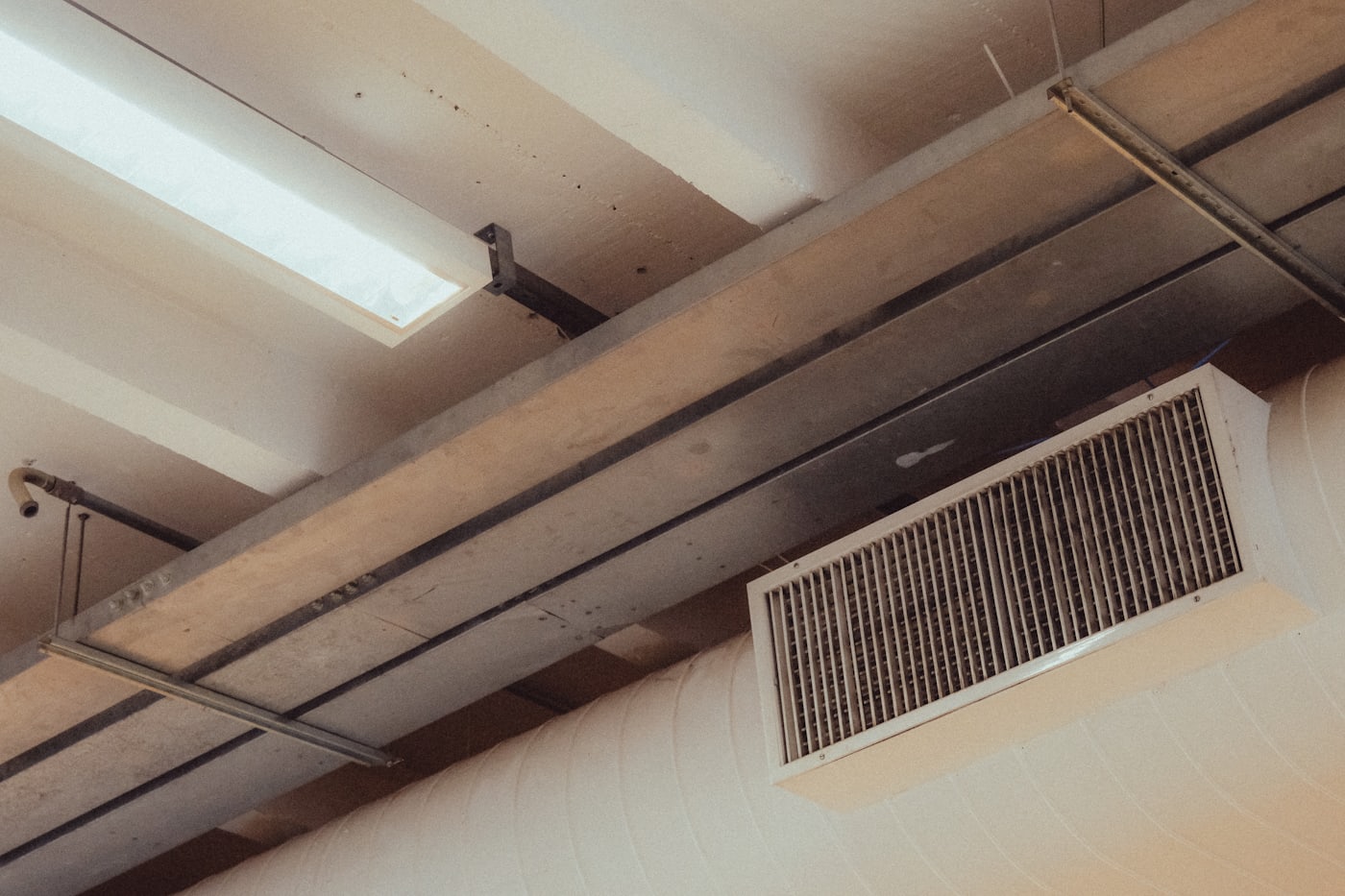
We clean lint-heavy dryer exhaust routes from the appliance connection to the termination point, with documentation that helps operators reduce fire exposure and recurring slow-dry complaints.
The vent path, termination point, duct length, and access limitations are reviewed before cleaning starts.
Mechanical cleaning removes lint and debris from concealed sections, elbows, vertical runs, and common line segments.
We check whether exhaust is discharging correctly instead of backing heat and moisture into the room.
Your team receives notes on risk points, maintenance timing, and any duct-route issues that need correction.
Dryer exhaust systems collect lint far beyond the lint trap. In hospitality, multifamily, care, and shared laundry environments, lint loads build up inside long duct routes, offsets, booster sections, and exterior terminations where heat and friction are highest. That is why slow dry times and overheating often appear before anyone recognizes the system as a fire hazard.
Commercial dryer vent cleaning reduces that hidden fuel load, restores airflow, and gives building teams a clearer view of mechanical issues such as crushed transition ducts, poor make-up air, weak discharge points, or line configurations that load lint faster than normal.
The process is built around fire-risk reduction, safe airflow, and clean reporting for building operators.
We map the full route from the dryer connection to the discharge point and note access or design constraints.
High-risk points such as elbows, booster housings, shared sections, and terminations are checked before cleaning.
Lint and debris are removed from the route with mechanical cleaning tools suited to commercial exhaust lines.
We confirm that air is leaving the system properly and that the line is no longer holding excess heat and moisture.
Closeout notes identify cleaned sections, risk findings, and maintenance timing for the next service cycle.
Dryer exhaust maintenance is a fire-prevention task first, but it also affects throughput, energy use, room conditions, and equipment life.
Back-of-house laundry rooms need dependable exhaust so high turnover periods do not create heat buildup or downtime.
Shared laundry rooms and stacked in-unit systems load lint quickly when vent runs are long and concealed.
Regular vent cleaning supports safer laundry operations where equipment use is consistent and interruption is costly.
Commercial machines need stable exhaust airflow to avoid cycle delays, overheated rooms, and avoidable equipment stress.
Lint accumulation inside a hot exhaust route is the most obvious fire risk, but poor make-up air, blocked hoods, and damaged transitions also force dryers to run hotter and longer than intended.
Many clients pair dryer vent cleaning with maintenance programs or broader ventilation review when laundry rooms are also suffering from heat, odor, or stale-air problems.
Some buyers are not searching for a generic dryer vent service. They need a page that matches the building type they manage and the maintenance reality inside that property.
Shared laundry rooms, stacked units, tenant safety, concealed exhaust routes, and recurring multifamily planning.
Open building pagePortfolio scheduling, vendor coordination, reporting, and recurring dryer exhaust maintenance across managed sites.
Open buyer pageGuest comfort, laundry exhaust, fire-risk reduction, and operational continuity for hospitality teams.
Open hospitality pageHigh dryer volume, lint loading, overheated rooms, and throughput-sensitive exhaust maintenance.
Open building pageParent path for building-type and buyer-role pages that sit above the service-specific commercial layer.
Open hubPopular local routes include dryer vent cleaning in Beverly Hills, dryer vent cleaning in West Hollywood, and dryer vent cleaning in Culver City for multifamily buildings, mixed-use properties, laundry-heavy homes, and managed portfolios that need city-specific service context.
These are the questions most often raised before a commercial dryer vent scope is approved.
That depends on machine volume and duct length, but high-use shared systems often need annual or semi-annual cleaning to stay safe and efficient.
Yes, when restricted exhaust is the main cause. Restoring airflow often improves cycle time immediately after service.
Yes. AirService LA works on in-unit dryer vents, shared laundry rooms, and larger commercial laundry exhaust paths.
We provide notes on cleaned sections, visible risk points, and any route conditions that should be corrected before the problem returns.
Lower fire risk, faster drying performance, and clearer maintenance visibility across shared or commercial laundry systems.