Visible lint checks
Watch for lint around the wall box, behind the dryer, or near the exterior vent cover. Those are early indicators that debris is not moving out cleanly.
Authority Guide
Dryer vent maintenance is about more than a lint screen. A reliable maintenance routine protects airflow, reduces overheating risk, supports safer dryer operation, and helps homes and commercial properties avoid the long drift from minor buildup to a serious exhaust problem.
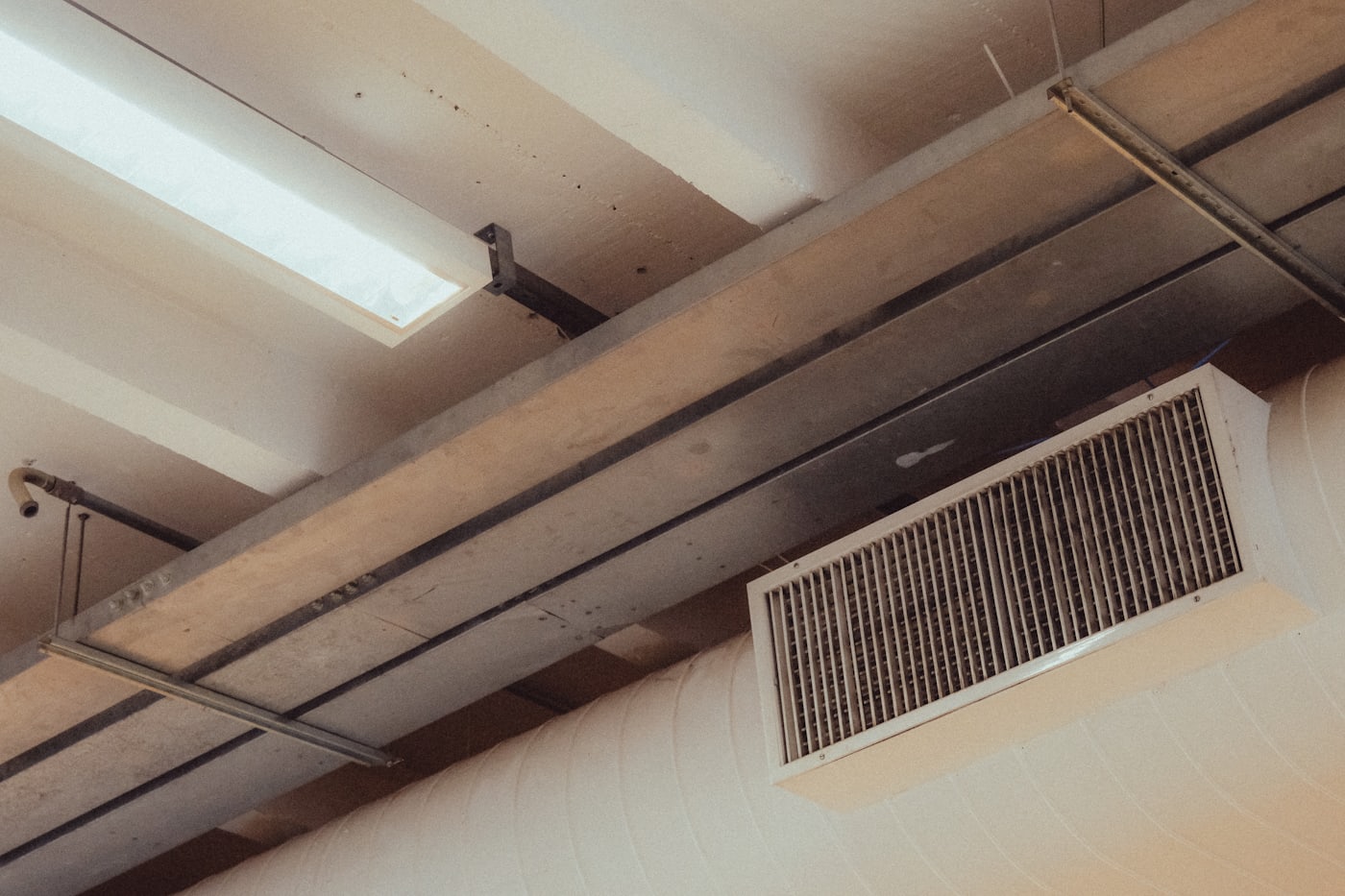
Most people think dryer vent maintenance means cleaning the lint screen and occasionally looking behind the dryer. That is only the visible portion of the issue. Real maintenance focuses on the hidden exhaust path from the dryer connection to the outside termination, because that is where lint accumulation and airflow restriction create the biggest safety and performance problems.
Watch for lint around the wall box, behind the dryer, or near the exterior vent cover. Those are early indicators that debris is not moving out cleanly.
Longer dry times, hotter dryer cabinets, and warm laundry rooms are practical warnings that airflow is no longer working as intended.
The exhaust path itself needs periodic review because buildup usually collects where the user cannot see it directly.
Maintenance only works when inspection leads to cleaning at the right interval for the actual level of dryer use.
There is no universal schedule that fits every dryer vent. A lightly used home dryer and a shared apartment laundry room do not build lint at the same pace. The correct interval depends on how often the dryers run, how long the vent path is, how many turns it has, and whether several users depend on the same system.
Single-family homes with moderate use can often work on a longer cleaning interval than shared systems. Condos and apartment buildings should review their schedules more closely because multiple occupants, stacked units, or shared laundry rooms create more usage and less tolerance for neglect. Hotels and laundromats need the shortest planning cycle because the dryers are used constantly and operational downtime directly affects revenue or guest experience.
A good rule is to treat heavy use, long vent runs, repeated complaints, and any prior overheating sign as reasons to shorten the interval. If the system has already shown symptoms, maintenance should move from generic advice into direct dryer vent cleaning.
Maintenance works best when inspection is not limited to emergency moments. Small recurring checks prevent a dirty vent from becoming the new normal.
If the same loads need noticeably more time, airflow may already be restricted.
A dryer that feels hotter than usual or a laundry room that traps more heat is signaling stress in the exhaust path.
Weak discharge, visible lint, or a termination that does not seem to vent properly should trigger closer review.
One of the biggest risk factors is simply not knowing when the vent was last professionally cleaned.
The reason commercial systems need more structure is simple: more users, more cycles, more lint, and less room for performance loss.
Homeowners usually notice maintenance needs through longer cycles, hotter dryers, or visible lint around the connection or exterior outlet.
Apartment and condo settings add coordination challenges, shared usage patterns, and tenant safety concerns, especially where several units or residents depend on one laundry area.
Hotels and laundromats require a repeat program because the dryers run too often for a reactive approach to be safe or efficient.
Property managers and HOAs need maintenance planning, vendor coordination, and reporting so service does not drift from building to building.
Commercial properties should treat dryer exhaust maintenance as part of a building operations plan, not a one-off cleaning after a complaint.
The safety side of maintenance is straightforward. Dryers are hot appliances. Lint is flammable. The longer lint remains in a restricted vent path, the more heat the system can retain and the more vulnerable it becomes to overheating. That is why the most important safety recommendation is not to wait for a dramatic symptom.
Treat the following as maintenance triggers: longer dry times, a hotter appliance, visible lint near the vent outlet, warm laundry rooms, burning smells, or any uncertainty about the last full cleaning. If the property is shared or commercial, shorten the time between inspections and connect the work to a repeat schedule instead of a single service visit.
If the concern already feels urgent, the best supporting page is dryer vent fire hazard. If the issue is more about symptoms and timing, also see signs a dryer vent needs cleaning and dryer takes too long to dry.
A maintenance routine becomes much more reliable when the property keeps simple records. The goal is not paperwork for its own sake. It is to know when the vent was last cleaned, what warning signs appeared before service, whether the run design creates faster lint accumulation, and how quickly the same symptoms return. That information helps homeowners and commercial teams stop guessing about the next interval.
For a single-family home, this can be as simple as recording the cleaning date and noting whether dry times improved afterward. In apartment, condo, hotel, and laundromat settings, records become more operational. Managers need to know which laundry room or machine bank had the problem, whether the issue was repeated, and which systems need a shorter maintenance cycle than the rest of the property.
If the same warning signs keep returning quickly, that is usually the signal to move beyond general guidance and into direct service review. At that point the right next step is rarely more reading. It is a scheduled inspection, cleaning, or a recurring plan that matches the actual usage of the property.
This guide is informational, but the goal is to help the user move from vague concern to a practical maintenance routine.
Notice dry times, heat buildup, visible lint, and how often the dryers are used.
A home, condo, apartment building, hotel, and laundromat should not use the same maintenance logic.
If the vent has not been checked recently, do not wait for a serious warning sign to appear.
When buildup is likely, route into service so airflow is restored and the risk is reduced.
Commercial and shared systems should leave with a real interval, not a vague reminder to check later.
These questions come up most often when users are trying to turn general dryer advice into a real maintenance routine.
It depends on usage, run length, and property type. High-use systems and shared laundry settings need shorter intervals than lightly used single-family homes.
No. The lint screen only handles the visible part of the system. The hidden exhaust path still needs inspection and cleaning over time.
Long dry times, hotter dryers, warm laundry rooms, visible lint near the vent, or uncertainty about the last cleaning all suggest the interval is too long.
Because the dryers run more often, more users depend on them, and the operational impact of poor vent performance is much larger.
Yes. Shared systems and managed properties benefit from recurring planning because waiting for resident complaints usually means the buildup is already significant.
Once there are active symptoms, overdue maintenance, or safety concerns, move from guidance into direct inspection or cleaning.
Tell us whether the system is residential, multi-family, hospitality, or commercial. We can help route the next step into inspection, cleaning, or a recurring service plan.