High dryer turnover
Continuous machine use means vents load with lint faster and safe inspection intervals shrink.
Commercial Segment
Laundromats load dryer exhaust systems harder than almost any other building type. That makes lint accumulation, airflow restriction, and overheated exhaust conditions an operational issue, not just a maintenance detail.
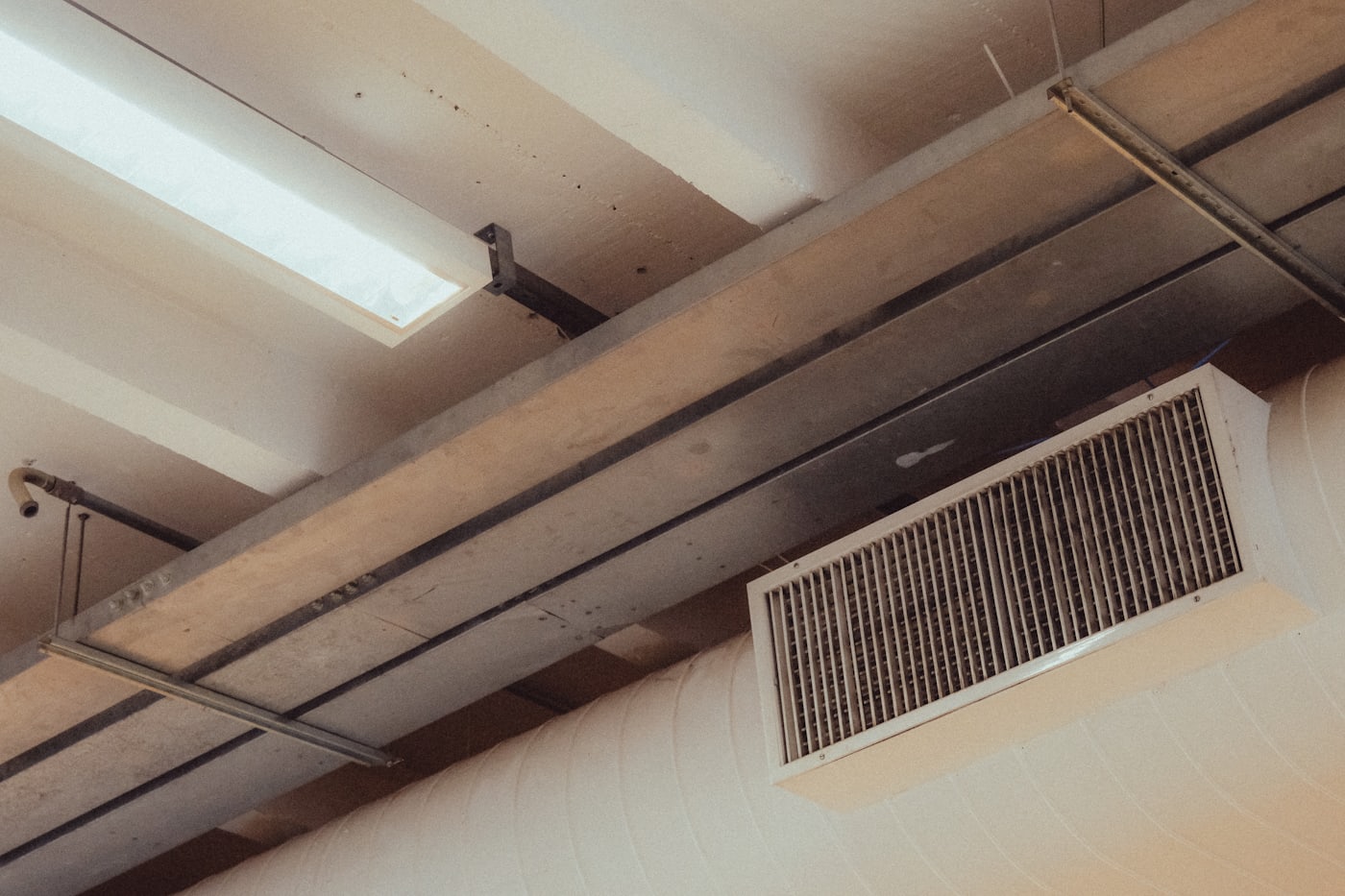
Laundromat dryer systems behave differently from residential or low-volume laundry exhaust. Machines cycle constantly, lint loads build faster, and any reduction in exhaust performance shows up in throughput, customer experience, room heat, and operating risk.
Continuous machine use means vents load with lint faster and safe inspection intervals shrink.
Slow dry times reduce machine availability, frustrate customers, and lower daily throughput.
When exhaust paths are restricted, the room itself starts holding more heat and moisture than it should.
Laundromats cannot treat lint and airflow problems as minor upkeep because the exhaust system is running all day.
A laundromat does not need a generic dryer vent answer. It needs a service plan that respects machine banks, customer traffic, busy operating windows, and the fact that one blocked segment can slow an entire row of dryers. The service is built around airflow restoration, lint removal, and maintenance scheduling that fits a high-use commercial laundry setting.
This matters whether the business is independently owned, part of a larger laundry operation, or managed by a commercial property team. When vent performance drops, the problem is usually visible in daily operations before anyone sees lint inside the exhaust path: longer cycles, hotter equipment, warmer rooms, and more inconsistent drying results from machine to machine.
That is why this page focuses on ongoing maintenance and not just cleanup after a bad symptom appears. Strong laundromat service should restore exhaust performance and help the operator plan the next interval before the same buildup returns.
The process is built around heavy-use exhaust systems and the operational needs of a business that cannot afford random downtime.
We start with dryer count, peak usage periods, known performance issues, and whether one machine bank or the entire space is showing signs of restriction.
Shared runs, elbows, discharge points, and exterior terminations are reviewed to understand where lint and airflow loss are most likely building.
The agreed exhaust path is cleaned so the system can move heat and moisture more effectively.
After cleaning, the operator has a clearer picture of whether the main issue was blockage, routing, or a wider operational maintenance problem.
High-volume laundry operations should leave with a repeat interval instead of waiting for the next throughput drop or safety concern.
These are the real issues laundromat operators usually feel before they request service.
Restricted exhaust forces machines to work harder and longer, reducing turnover and extending customer wait times.
When exhaust is not leaving efficiently, the room can hold more heat and humidity than normal, affecting staff and customers.
One row or bank of dryers may begin underperforming before the whole space is affected, which makes early maintenance especially important.
High volume means the issue returns fast if the site relies on one cleanup without a maintenance plan.
In a laundromat, lint is not just a housekeeping issue. It is fuel sitting in a hot exhaust system. As lint collects inside long runs, transitions, and discharge points, the dryers have to push harder against a narrower path. Heat stays in the system longer, drying efficiency drops, and the business becomes more exposed to overheating and fire risk.
Operators usually notice the performance side first. Loads take longer, dryers feel hotter, or certain machine groups lose consistency. But the safety side is what makes quick action important. High-throughput laundry operations do not have much tolerance for a dirty exhaust path because the next cycle starts almost immediately after the last one.
If the concern is already about visible risk, use dryer vent fire hazard and lint buildup in dryer vents as supporting pages. If the priority is operational planning across sites or mixed property types, the broader property maintenance program may be the better next step.
Laundromats almost always need a repeat service rhythm. The exact interval depends on machine count, hours of use, vent design, and how quickly lint returns, but waiting for a severe symptom is the wrong operating model. Heavy-use laundry sites benefit from scheduled inspections and cleanings that line up with their real throughput rather than a generic annual reminder.
Keep dryer performance consistent, reduce surprise shutdowns, protect customer experience, and stop safety problems from being discovered only after heat and lint have built up too far.
If the laundry operation sits inside a larger apartment or hospitality property, pair this page with apartment buildings or hotels to match the buyer type.
These are the questions laundromat operators and commercial laundry teams usually ask before booking service.
Because the dryers run far more often than residential systems, which means lint buildup and airflow restrictions develop faster and create operational problems sooner.
Yes. When air cannot move out efficiently, dryers retain heat and moisture longer, so cycles tend to run less efficiently and throughput drops.
Longer dry times, hotter machine surfaces, hotter rooms, inconsistent performance between machine groups, and visible lint near discharge points are the most common signals.
Yes. Multi-site laundry businesses often need recurring scheduling and reporting, not just one isolated cleaning visit.
Lint is flammable, and high-use systems produce more heat. A restricted exhaust path leaves that lint inside a hotter environment, which increases risk.
Move directly into service rather than waiting for a full shutdown. If the site also needs ongoing scheduling, combine the request with a broader maintenance planning conversation.
Send the dryer count, operating hours, and the symptoms your team is seeing. We can help map a cleaning schedule and commercial service path that fits the site.