Shared laundry rooms
Higher daily machine use creates faster lint loading and more frequent airflow complaints than standard residential systems.
Building Type
Apartment buildings need dryer vent cleaning that accounts for shared laundry rooms, stacked units, concealed exhaust runs, and tenant safety without turning routine maintenance into a disruption problem.
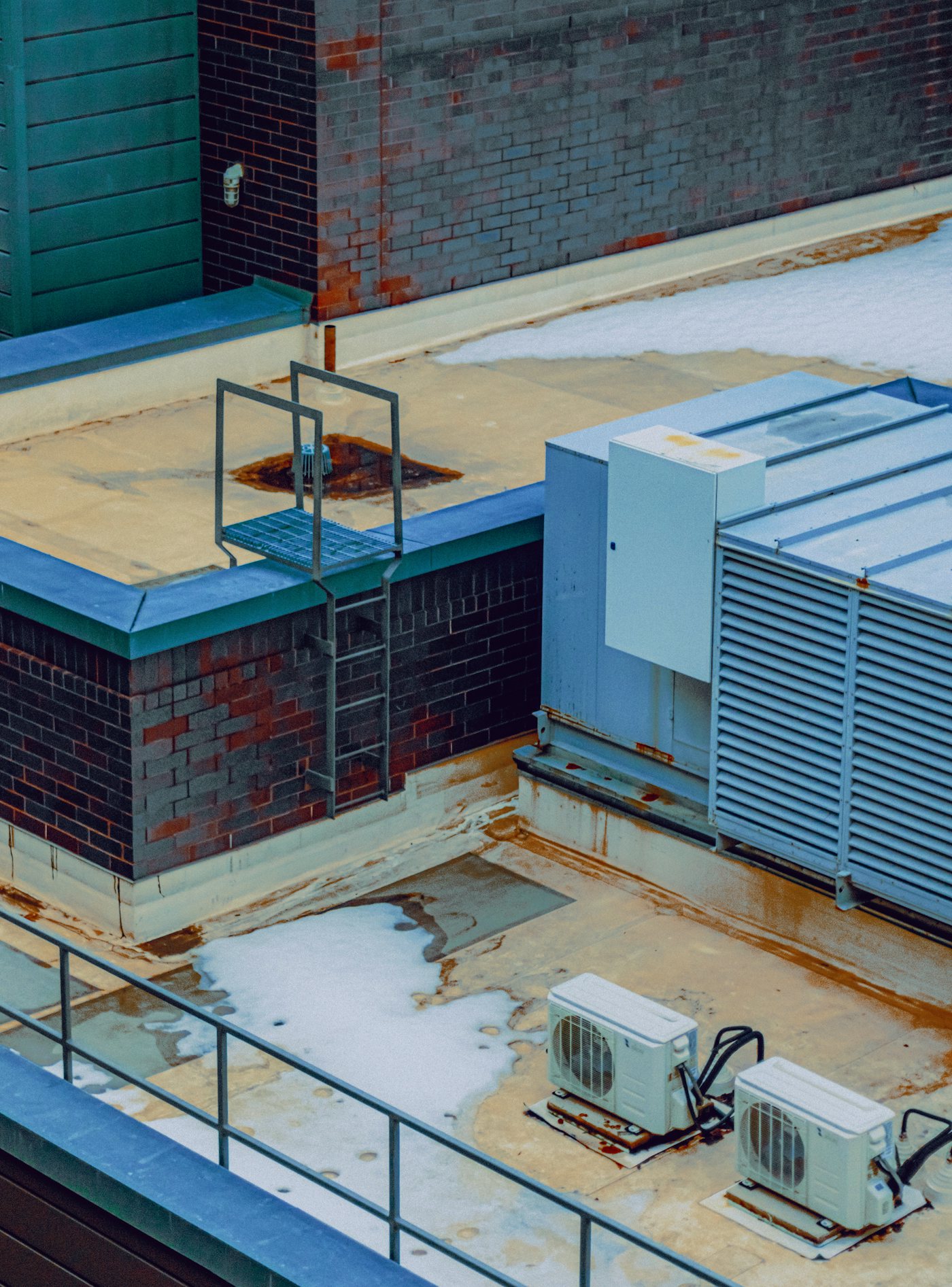
Apartment building dryer vent cleaning is a B2B maintenance issue long before it becomes a resident complaint. Multifamily properties deal with stacked dryer configurations, longer concealed runs, shared laundry rooms, tight access windows, and multiple occupants who can all feel the same performance problem at once. When a dryer exhaust path is restricted, the issue shows up as slow drying, hot laundry rooms, and visible lint buildup, but the real risk sits deeper inside the duct route.
That is why apartment buildings need a different service model than detached homes. The work has to fit tenant safety, common-area scheduling, maintenance staff coordination, and recurring building operations. A proper multifamily page should speak directly to those constraints and show how dryer vent cleaning fits the maintenance life of the property rather than treating the building like a larger version of a single-family home.
Higher daily machine use creates faster lint loading and more frequent airflow complaints than standard residential systems.
Longer vertical routes and concealed dryer connections make hidden buildup harder for teams to see until issues escalate.
Lint accumulation inside a hot exhaust route is a safety issue that affects residents as well as property operations.
Apartment properties usually benefit from planned intervals instead of waiting for the next complaint wave.
In apartment buildings, dryer vent cleaning is tied to shared systems, occupancy, and routine building management. It helps remove lint buildup from accessible exhaust sections, improve airflow, and reduce the risk that slow-dry complaints or overheated laundry areas will continue spreading across the property. For buildings with shared laundry rooms, the service supports uptime and cleaner service areas. For stacked in-unit systems, it helps teams address concealed buildup before it becomes a broader tenant-safety issue.
Helps common laundry rooms perform more reliably by clearing the exhaust path that is carrying lint and heat.
Useful when several residents are seeing long cycles or weak dryer performance in stacked or concealed layouts.
Cleaning gives management a better view of which issues are buildup-driven and which require wider mechanical follow-up.
The service reduces hidden lint load in a system where heat and restricted airflow can otherwise keep increasing together.
Multifamily dryer exhaust complaints are usually operational before they are clearly understood. Residents report longer dry times. Laundry rooms feel hotter. Exterior discharge looks weak. On-site teams clean what they can reach but the complaint returns. Those are all indicators that lint is accumulating beyond the visible connection point and the building needs a real dryer vent maintenance cycle.
Restricted exhaust keeps dryers running longer and makes residents think the appliance is failing when airflow is the real issue.
Shared rooms and utility spaces trap extra heat when the exhaust route is loaded with lint.
Outside hoods often discharge less effectively when elbows, vertical sections, or shared lines are carrying buildup.
Several residents reporting the same symptom is often the strongest signal that maintenance is overdue.
Occupancy density, concealed routing, and shared facilities mean the problem can affect more people before anyone sees the buildup directly.
A service path that balances resident access, safety, scheduling, and documentation instead of only focusing on the cleaning tools.
Dryer vent cleaning in multifamily properties sits inside a larger airflow and safety picture. Shared laundry areas, stacked dryer routes, and utility spaces all depend on working exhaust.
Common laundry rooms put consistent volume through the route, which increases lint loading and heat if maintenance slips.
Stacked units can hide buildup in longer sections that are not obvious during routine surface checks.
Hotter laundry and utility spaces may reflect both poor exhaust and broader ventilation strain around the service area.
Cleaning helps reveal whether the issue is lint accumulation, termination weakness, or a larger building-airflow concern.
The process is structured for occupied multifamily buildings where service has to work around residents, maintenance teams, and common-area rules.
We confirm whether the property uses shared laundry, stacked units, or a mixed setup with different access needs.
Service windows are planned around common areas, resident notices, and maintenance-team support where needed.
The accessible exhaust route is mechanically cleaned, including higher-risk sections where buildup tends to collect.
We review discharge performance and identify whether visible issues remain after cleaning.
Management receives notes on risk areas, next service timing, and when broader ventilation review should be considered.
Apartment buildings should treat dryer vent cleaning as a tenant-safety task, not only a maintenance convenience. Lint accumulation inside a hot exhaust path creates a fuel source that can build quietly inside concealed sections. In shared laundry rooms it can also create excess heat, uncomfortable service spaces, and a predictable cycle of resident dissatisfaction. Cleaning reduces that lint load while improving airflow and helping teams see whether the building has additional routing or ventilation issues.
For apartment operators, the value is not just lower risk. Better dryer exhaust performance can reduce repeat complaints, improve laundry-room usability, and create a clearer maintenance record when the property is being managed at scale or by several staff members over time.
Apartment properties usually perform best when dryer exhaust cleaning is treated as a recurring program rather than a complaint-driven event. The exact interval depends on laundry volume, route length, unit density, and whether the property is already showing heat or airflow problems.
Often reviewed annually or more frequently when the room handles heavy resident use.
Timing depends on access, turnover, and whether several units are reporting the same dryer-performance problem.
Buildings with repeated slow-dry or heat issues usually need shorter intervals until the risk pattern is under control.
Many owners combine apartment building service with a wider property-management maintenance plan.
These are the apartment-specific questions we hear most often from managers and owners before a multifamily dryer vent scope is approved.
Yes. Shared laundry rooms are one of the main multifamily use cases because lint loads accumulate faster and affect more residents.
Yes. Apartment buildings often need cleaning in longer, less visible sections where lint buildup is not obvious during routine checks.
Cleaning reduces lint accumulation inside a hot exhaust path and helps management address a preventable fire-risk condition.
Yes. Occupied multifamily buildings require access planning and communication, and that coordination is part of the service model.
That depends on laundry volume, route complexity, and complaint history, but recurring schedules usually work better than waiting for repeated issues.
Yes. Many apartment operators combine this path with broader property-management or portfolio-level planning.
Request a commercial quote if you need help with shared laundry rooms, stacked units, tenant-safety concerns, or recurring multifamily maintenance planning.