Portfolio scheduling
Service can be phased by site, building, or priority level instead of forcing every property into one rigid maintenance window.
Commercial Buyer
This page is built for property managers and portfolio teams who need dryer vent maintenance across apartment buildings, condos, mixed-use properties, and other laundry-heavy assets without creating scheduling friction.
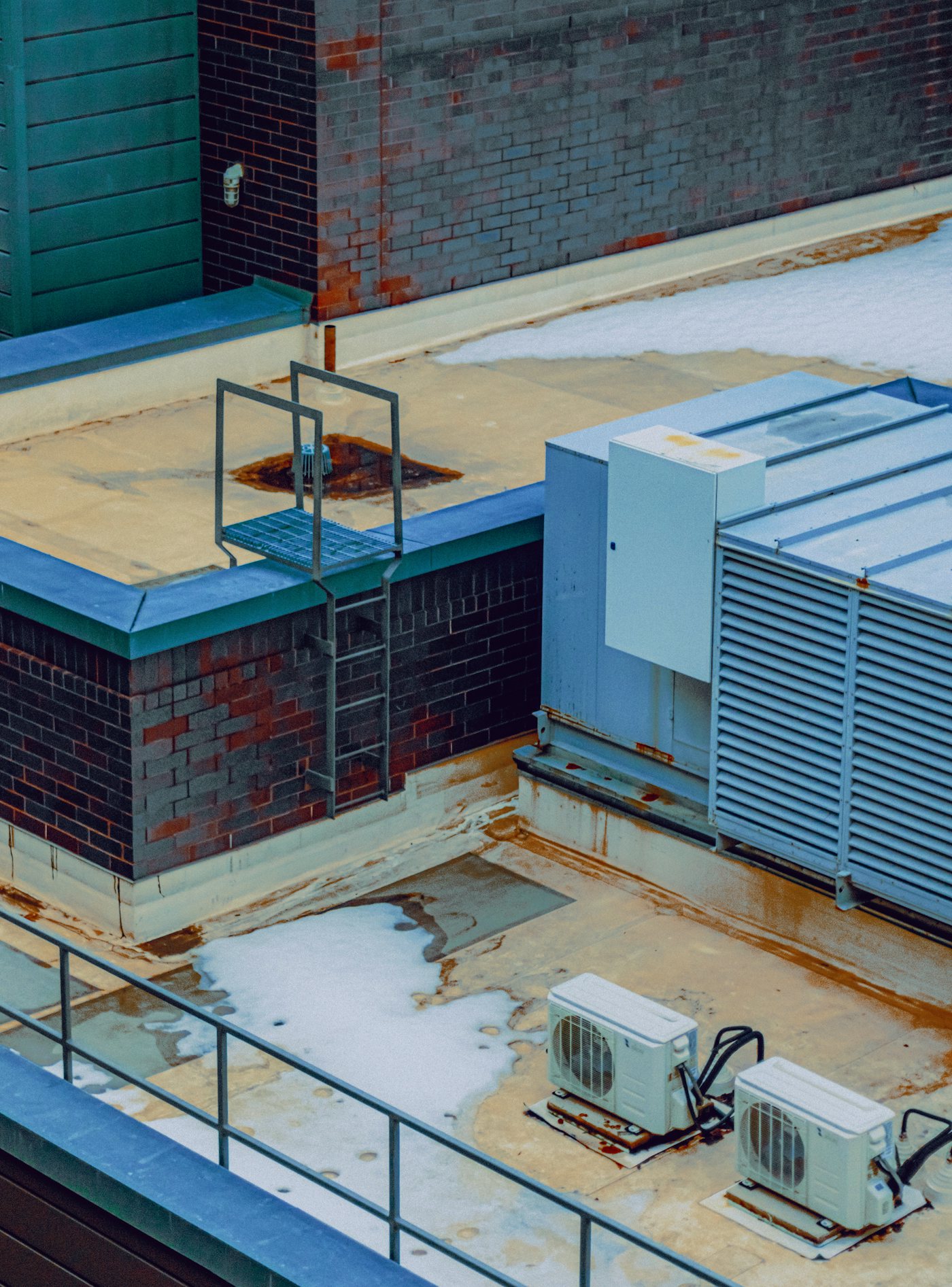
Property managers rarely call about dryer vent cleaning because they want a one-time cleaning line item. They usually call because a building has started generating resident complaints, a shared laundry room is running hot, a maintenance team has found lint where it should not be, or a portfolio needs a dependable vendor that can coordinate access and deliver clear closeout notes. That is a different use case than a simple residential booking, and the page is built around that B2B reality.
For portfolios across Los Angeles, dryer exhaust maintenance often sits at the intersection of safety, resident satisfaction, vendor coordination, and preventive planning. One community may have stacked in-unit dryers. Another may have a shared laundry room. A mixed-use property may combine residential units with a service area that puts more pressure on scheduling and access. Property managers need one path that handles those variables without turning service into a communication problem.
Service can be phased by site, building, or priority level instead of forcing every property into one rigid maintenance window.
Access, resident communication, and maintenance-team handoff matter just as much as the field work itself.
Dryer vent cleaning reduces lint accumulation, restores airflow, and lowers the chance of heat-heavy laundry complaints getting worse.
Managers need clear notes on where work happened, what conditions were found, and how soon the next cycle should be planned.
For property managers, dryer vent cleaning is not just a mechanical cleaning task. It is part of a repeatable maintenance framework that keeps shared laundry systems, stacked units, and dryer exhaust routes from turning into recurring complaint sources. The practical goal is to keep airflow moving, reduce lint buildup, and avoid preventable heat and fire-risk conditions in buildings where occupancy and vendor timing are always factors.
Shared laundry rooms and concealed vent runs need recurring service before tenant complaints stack up.
Boards and managers need cleaner coordination when service affects common rules, unit access, or recurring maintenance records.
Buildings with several occupancies need service windows that protect operations while still addressing hidden lint risk.
Service can be sequenced by urgency, complaint history, or laundry volume instead of waiting for failures at every site.
Management teams usually see the same patterns: dryers taking too long, laundry rooms running hotter than usual, repeated resident comments about shared laundry, incomplete notes from previous vendors, and no reliable schedule across multiple properties. Those are all signs that dryer exhaust maintenance is being handled reactively instead of as part of a controlled plan.
Long cycle times often show up before anyone identifies the exhaust path as the actual restriction point.
Poor airflow and lint-heavy routes trap heat and make service areas less comfortable for residents and staff.
Portfolio teams often inherit incomplete service records that make it hard to know which sites are overdue.
Without a manager-friendly process, even a routine vent cleaning scope can turn into an access and communication problem.
Many portfolios clean only after complaints escalate, which means the same properties continue loading lint until the next service emergency.
A repeatable service path with coordinated access, predictable reporting, and enough flexibility to fit a mixed portfolio.
Property managers do not need a generic explanation of lint. They need to understand how exhaust performance, heat, and ventilation interact across real properties.
High-use laundry rooms collect lint quickly and often show heat buildup before airflow problems are fully understood.
Longer concealed routes load lint out of sight and can affect several residents before a complaint reaches management.
Blocked or weak exterior discharge points reduce system efficiency and keep dryers running hotter than intended.
Cleaning the route gives teams a clearer view of where airflow issues are tied to buildup versus design or access constraints.
The process is designed around coordination, not just field cleaning. That matters when several buildings, vendors, and on-site teams are involved.
We identify which properties, laundry systems, or complaint-heavy buildings should be prioritized first.
Service windows are organized around resident notices, staff coordination, unit access, and operational needs.
Lint and debris are removed from the accessible exhaust path, including higher-risk elbows, vertical sections, and terminations.
We review whether the route is discharging correctly and whether the property still has visible follow-up issues.
You receive practical notes for management files, maintenance planning, and the next recommended service cycle.
For portfolios, dryer vent cleaning is a fire-safety and risk-management issue as much as a maintenance task. Lint accumulation inside a hot exhaust path creates a fuel load that can keep building unnoticed until dryers are overheating, common laundry rooms are uncomfortable, or exterior discharge is visibly weak. Property managers are often the ones expected to answer why the condition was allowed to continue.
A cleaner route also improves day-to-day operations. Better airflow can reduce long cycles, lower room heat, and make recurring complaints easier to resolve. It also helps management teams distinguish between a normal cleaning need and a bigger issue such as damaged routing, poor make-up air, or a termination problem that should be escalated separately.
There is no single frequency that fits every portfolio. Service timing should reflect laundry volume, building type, route length, complaint history, and how many sites management is trying to control under one maintenance plan.
Often reviewed annually or more often in properties with high resident use or long concealed routes.
Scheduling depends on access, resident turnover, and how often the property sees slow-dry or heat complaints.
Regional plans often work best when the highest-risk sites are addressed first instead of forcing every asset into one cycle.
Buildings with recurring complaints usually need shorter intervals until the pattern is stabilized.
These are the questions we hear most often from property managers and regional operations teams before a dryer vent service cycle is approved.
Yes. This page is specifically built for portfolio scheduling, multi-site prioritization, and manager-friendly reporting.
Yes. We support shared laundry systems, stacked units, and other apartment or condo-related dryer exhaust configurations.
Yes. Scheduling and access coordination are part of the B2B process, not an afterthought after the job is booked.
We provide practical service notes covering completed work, visible risk points, and the next recommended maintenance step.
Priority is usually based on complaint history, laundry volume, route complexity, and whether a building already shows heat or airflow issues.
Yes. Many managers pair this service with broader property programs so dryer exhaust maintenance fits into a repeatable cycle.
Request a commercial quote if you need coordinated scheduling, multi-property planning, or a cleaner maintenance cycle for laundry-related exhaust systems.