Guest impact
Back-of-house laundry problems eventually reach room readiness and service quality if dryers are underperforming.
Hospitality Segment
Hotels need dryer exhaust maintenance that protects guest comfort, supports back-of-house laundry operations, and reduces fire risk without disrupting daily occupancy.
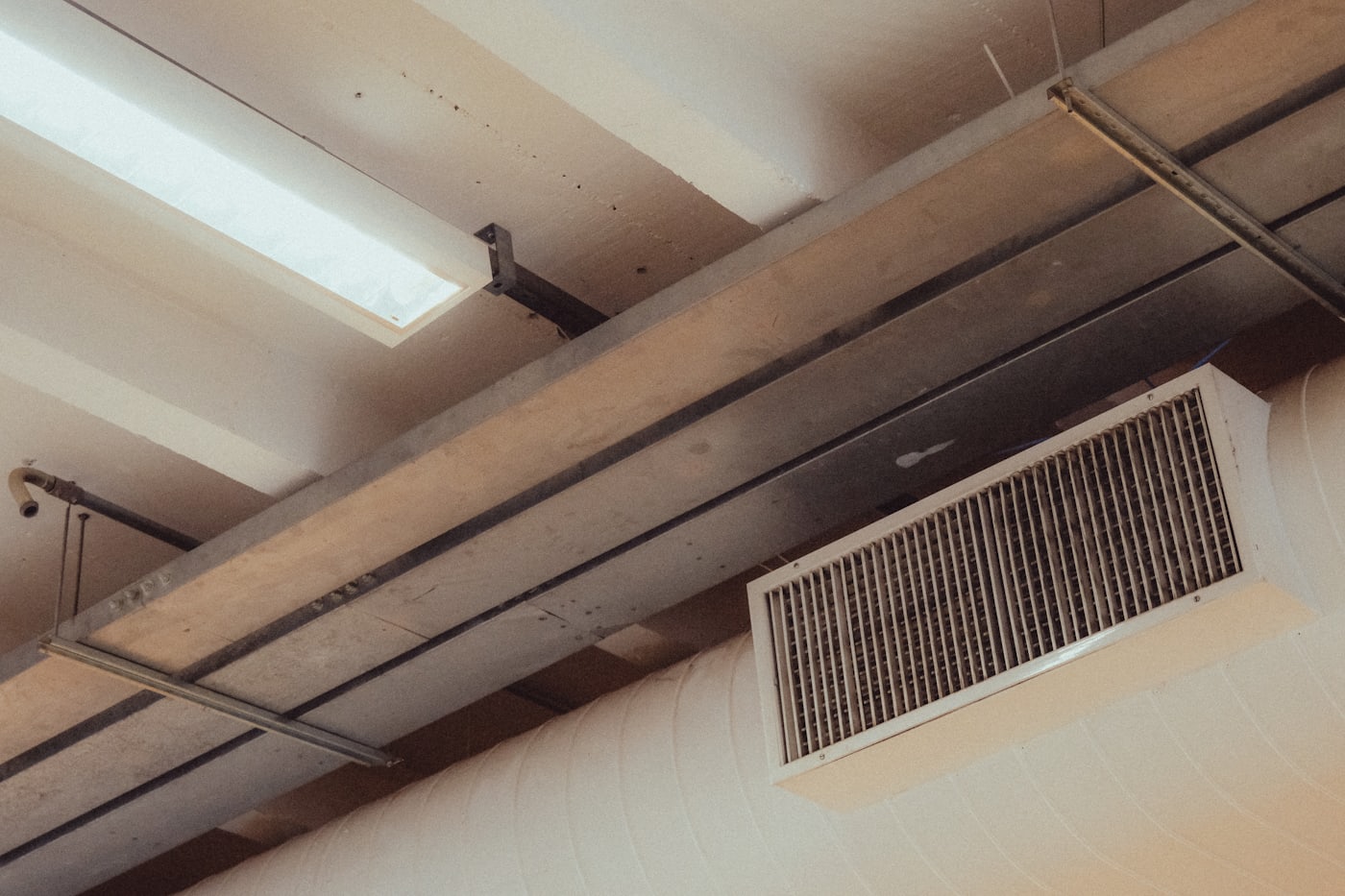
Hotel dryer vent cleaning is not a residential service with a different label. Hospitality properties operate laundry systems that affect room readiness, housekeeping flow, energy use, and back-of-house safety every day. When dryer exhaust routes are restricted, the problem is rarely limited to one slower machine. It can show up as heat-heavy laundry rooms, longer turnaround, higher staff frustration, and increased fire exposure inside an area the guest never sees but the operation depends on constantly.
That is why hospitality teams usually need a partner that understands operational continuity. Service has to fit occupancy, laundry demand, engineering access, and guest-facing standards. A clean dryer exhaust path supports throughput and safety at the same time, while better reporting helps hotel operators decide whether they are dealing with routine lint loading or a broader exhaust and ventilation issue that needs a more structured maintenance response.
Back-of-house laundry problems eventually reach room readiness and service quality if dryers are underperforming.
Hotels need reliable exhaust so housekeeping turnover is not slowed by heat-heavy or inefficient dryers.
Service often needs to align with chief engineers, maintenance teams, and operating windows rather than one simple appointment.
Lint accumulation inside high-use exhaust routes creates avoidable fire exposure in a critical back-of-house area.
Hotel dryer vent cleaning focuses on the exhaust route that supports back-of-house laundry performance. In hospitality, that route matters because dryers are not only processing linen; they are supporting occupancy turnover and daily operational continuity. Cleaning helps restore exhaust airflow, reduce lint load, and make it easier for engineering teams to identify whether the system is being slowed by buildup, bad routing, weak termination performance, or a wider ventilation issue inside the laundry area.
High throughput creates faster lint loading than standard residential equipment and shortens the maintenance cycle.
Restricted exhaust keeps heat and moisture inside the laundry room, which affects staff comfort and performance.
Weak roof or sidewall discharge can force dryers to run longer and create misleading equipment complaints.
Service notes help engineering teams see whether the issue is simple lint accumulation or a broader infrastructure concern.
Hotels usually call after they see a pattern rather than a single incident. Dryers start running longer, laundry rooms feel hotter, staff notice weaker exhaust, or engineering teams find lint where it should not be. By that point the problem is affecting workflow as much as equipment performance.
Restricted exhaust means machines have to work longer to reach the same result, slowing turnover pressure points.
Poor exhaust performance traps heat and moisture in a space that already carries a heavy operating load.
Visible lint at hoods and terminations often signals a broader buildup problem deeper inside the route.
Without a schedule, hotel teams end up responding only after throughput or safety starts slipping.
Dryer exhaust performance affects not only safety, but room readiness, housekeeping pace, and how smoothly the operation runs during high occupancy periods.
This is not a homeowner page repackaged for hospitality. It is built around engineering access, laundry continuity, and back-of-house planning.
Hotel laundry systems live inside a larger ventilation environment. Dryer exhaust is one piece of how heat, airflow, and operational safety are managed behind the scenes.
Clean discharge matters because restricted exhaust quickly turns into hotter rooms and slower machine performance.
Back-of-house delays eventually affect housekeeping pace and guest-facing readiness during busy periods.
Weak ventilation in service zones makes laundry spaces less workable and can mask a larger airflow problem.
Cleaning clarifies whether the current issue is buildup, design limitation, or a wider mechanical condition.
The process is structured around occupancy and operational continuity, not just a basic service call.
We confirm laundry volume, current complaints, engineering access, and the best service window for the property.
The exhaust path, higher-risk elbows, booster sections, and discharge points are reviewed before cleaning begins.
Lint and debris are mechanically removed from accessible exhaust sections that are reducing performance or increasing risk.
We confirm whether the route is moving air more effectively and whether follow-up issues remain.
You receive practical reporting for engineering files, future scheduling, and broader ventilation follow-up if needed.
Hotels have little tolerance for preventable back-of-house risk. Lint buildup inside a hot exhaust route creates a fire hazard, but even before that point it can create longer cycles, warmer rooms, more staff strain, and unexpected maintenance calls. Cleaning reduces the hidden lint load while improving airflow, which makes the laundry operation more stable during daily use and during peak occupancy periods.
There is also a continuity benefit. Better exhaust performance helps the engineering and housekeeping sides of the hotel work from a cleaner baseline. If problems remain after the route is cleaned, the team has better information to escalate to equipment or ventilation review instead of repeatedly treating the symptom.
Hotel laundry systems generally need a more proactive service cycle than smaller residential dryer setups. The right interval depends on volume, route complexity, engineering history, and whether the property is already seeing heat or performance complaints.
Heavy linen throughput often requires shorter intervals because lint loading happens faster and complaints affect operations quickly.
Even smaller hotels benefit from a defined cycle if access is tight and engineering coverage is lean.
If the laundry room is already running hot or dryers are slowing down, waiting for the next annual cycle is usually the wrong move.
Many operators combine dryer exhaust cleaning with broader ventilation and building-service planning.
These are the questions hospitality teams ask most often before approving a dryer vent cleaning scope.
Yes. Hotel service is planned around operations, access, and the need to protect daily laundry continuity.
Yes, when restricted exhaust is contributing to heat buildup and reduced airflow through the dryer route.
Yes. We provide practical closeout notes that help hospitality teams track findings and next maintenance steps.
That depends on laundry volume, route design, and complaint history, but hotels usually need a more proactive schedule than residential properties.
Yes. If the laundry area still runs hot or ventilation remains weak after cleaning, the problem may extend into the wider support-area airflow system.
Yes. The service applies anywhere a hotel depends on working laundry exhaust and needs clearer commercial maintenance support.
Request a commercial quote if your hotel needs safer laundry exhaust, better airflow, or a cleaner maintenance plan that fits active operations.