Centralized service planning
Instead of handling each complaint as a separate vendor call, the program creates one operating model for scheduling, scope review, and closeout.
B2B Program
AirService LA helps management teams turn one-off HVAC and ventilation problems into a repeatable service program with cleaner scheduling, lower tenant disruption, and clearer reporting across buildings.
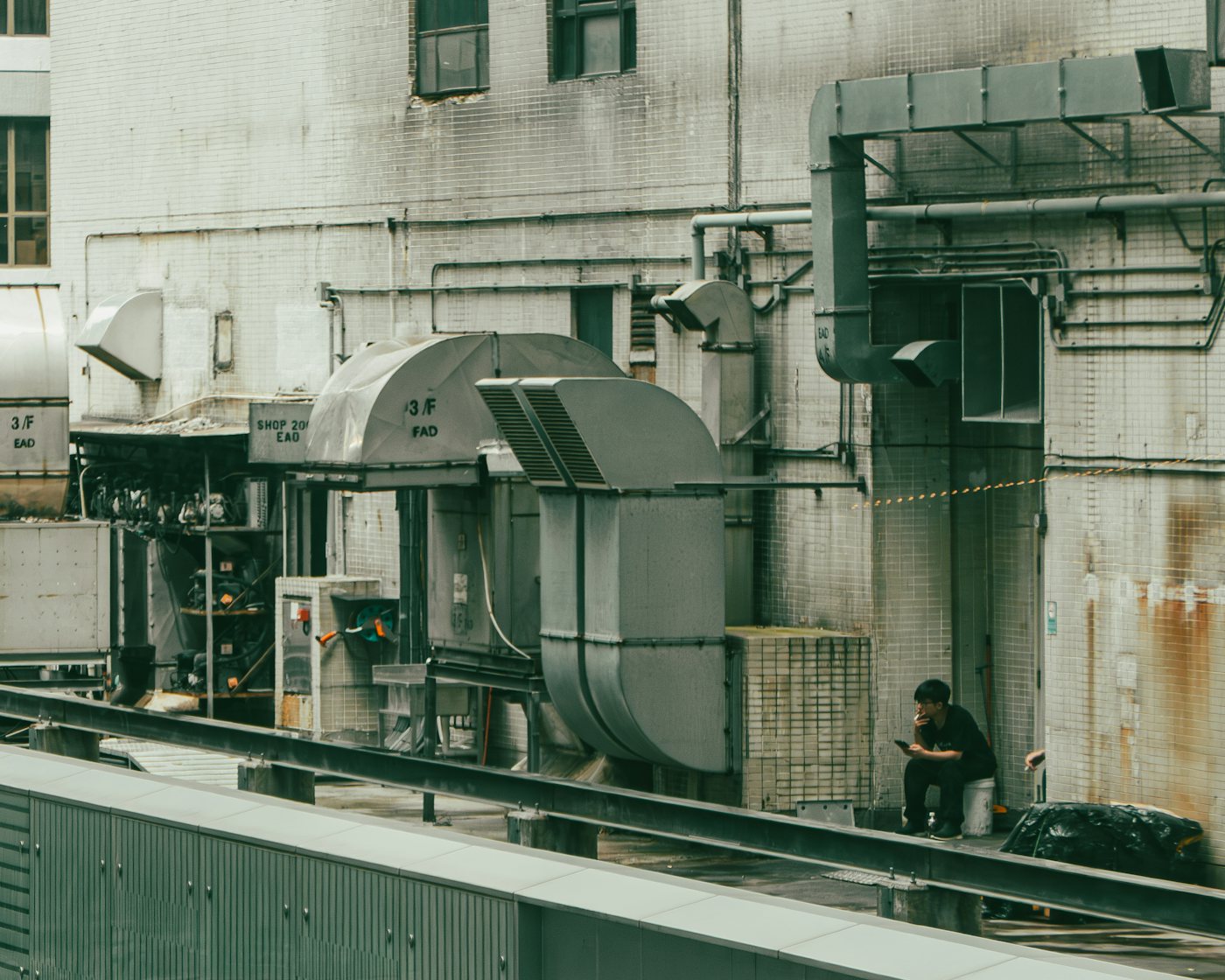
Management teams rarely need just one isolated service. They need a system for tracking dryer vent cleaning, air duct cleaning, broader ventilation issues, access windows, tenant notices, and follow-up service across multiple buildings or recurring service cycles.
Instead of handling each complaint as a separate vendor call, the program creates one operating model for scheduling, scope review, and closeout.
Properties with the heaviest usage, higher resident complaints, shared laundry systems, or stale-air issues can be moved to the front of the maintenance cycle.
Managers and boards get one format for findings, completed scopes, next-step recommendations, and documentation that can be carried from property to property.
Urgent findings such as blocked dryer exhaust, heavy dust complaints, overheated laundry areas, or weak common-area airflow can be routed quickly without losing the larger maintenance plan.
The biggest operational problem is not usually the cleaning itself. It is fragmentation. Different buildings call different vendors, service intervals drift, tenants only speak up after the problem becomes obvious, and the management team ends up running a reactive system with no real visibility into where the risk is building.
A recurring maintenance program fixes that by standardizing the way service is requested, approved, scheduled, performed, and reported. That matters for property managers handling several communities and for HOA boards that need predictable vendor coordination without creating unnecessary disruption for residents.
It also changes the conversation with ownership and residents. Instead of reacting to "the dryer room is too hot" or "vents are dusty again," the team can show which building was serviced, what was found, what the next interval should be, and which properties need closer attention.
The service model is built around coordination as much as cleaning. Good execution depends on access, notices, recurring scope planning, and clean handoffs between field work and management records.
We review the number of buildings, property types, recurring complaints, service history, and the highest-risk systems already known to your team.
Each building is aligned to the right service path, whether that is dryer vent cleaning, air duct cleaning, ventilation cleaning, or a mixed sequence across several systems.
We help stage access windows, building entry expectations, tenant communication timing, and property sequencing so the work fits operations.
Service is performed by location, system, or priority tier instead of leaving the management team to coordinate scattered requests one by one.
Completed work, findings, and next recommended intervals are rolled into one clean view so the next maintenance round is easier to approve and schedule.
Recurring service only works when it reduces administrative friction as well as technical risk. These are the issues most property teams are actually trying to control.
One management portfolio often ends up with different contractors for dryer vents, airflow complaints, and duct-related work. That creates uneven quality and inconsistent closeout information.
Without a structured cycle, properties go too long between cleanings and only surface again when residents complain or equipment performance drops.
Poorly staged service creates access confusion, resident frustration, and follow-up calls that waste staff time even if the technical work was fine.
When service history is scattered, nobody can answer basic questions about what building was handled, what was found, and what should be scheduled next.
In occupied buildings, the program should protect resident experience, not just fix a technical issue. That means staging access, choosing realistic service windows, limiting repeat visits, and giving the property team enough notice to communicate clearly.
Management programs work best when they combine field scope with operational planning. That is why this page connects into building-specific service paths rather than pretending one generic maintenance promise solves every property.
Property teams usually need several service paths under one maintenance umbrella. These pages help move from management intent into the actual building-level scope.
For shared laundry, in-unit dryers, scheduling by property, and recurring dryer exhaust maintenance.
View property manager dryer serviceFor dust complaints, return-side buildup, turnover cleaning, and occupied-building coordination.
Open air duct pageFor stale common areas, weak exhaust, service rooms, and larger ventilation-maintenance planning.
Open ventilation pageUse the live city pages when approval depends on local routing, building coverage, or service area confirmation.
Open locations hubThese are the questions property managers, association teams, and portfolio operators usually need answered before moving into a program model.
Yes. That is the point of the program model. Each building can have a different combination of dryer vent, air duct, or ventilation work while still moving under one coordination and reporting structure.
We map access windows, tenant-impact concerns, and service priority by property so the management team is not improvising notices and scheduling with every separate job.
No. It also fits smaller HOA or condo management groups that want a recurring maintenance structure for a few buildings instead of waiting for complaints.
Managers receive scope notes, service status, findings, and recommended next intervals in a format that is easier to store and review across properties.
Yes. Planned service usually means fewer emergency visits, better notice timing, and less confusion around access and building communications.
Start with the buildings that have the highest complaint volume, shared laundry risk, or overdue maintenance history. That creates a clear first phase instead of trying to handle every property at once.
Send the building count, service types, and the main issues your team is managing. We can help map a cleaner service plan with less tenant friction.