Tenant complaint reduction
Cleaner air paths help reduce visible dust and stale-air complaints that keep reopening management tickets.
Commercial Buyer
This page is built for property managers coordinating air duct cleaning across tenant-occupied buildings, mixed-use properties, and commercial portfolios that need cleaner airflow with minimal scheduling friction.
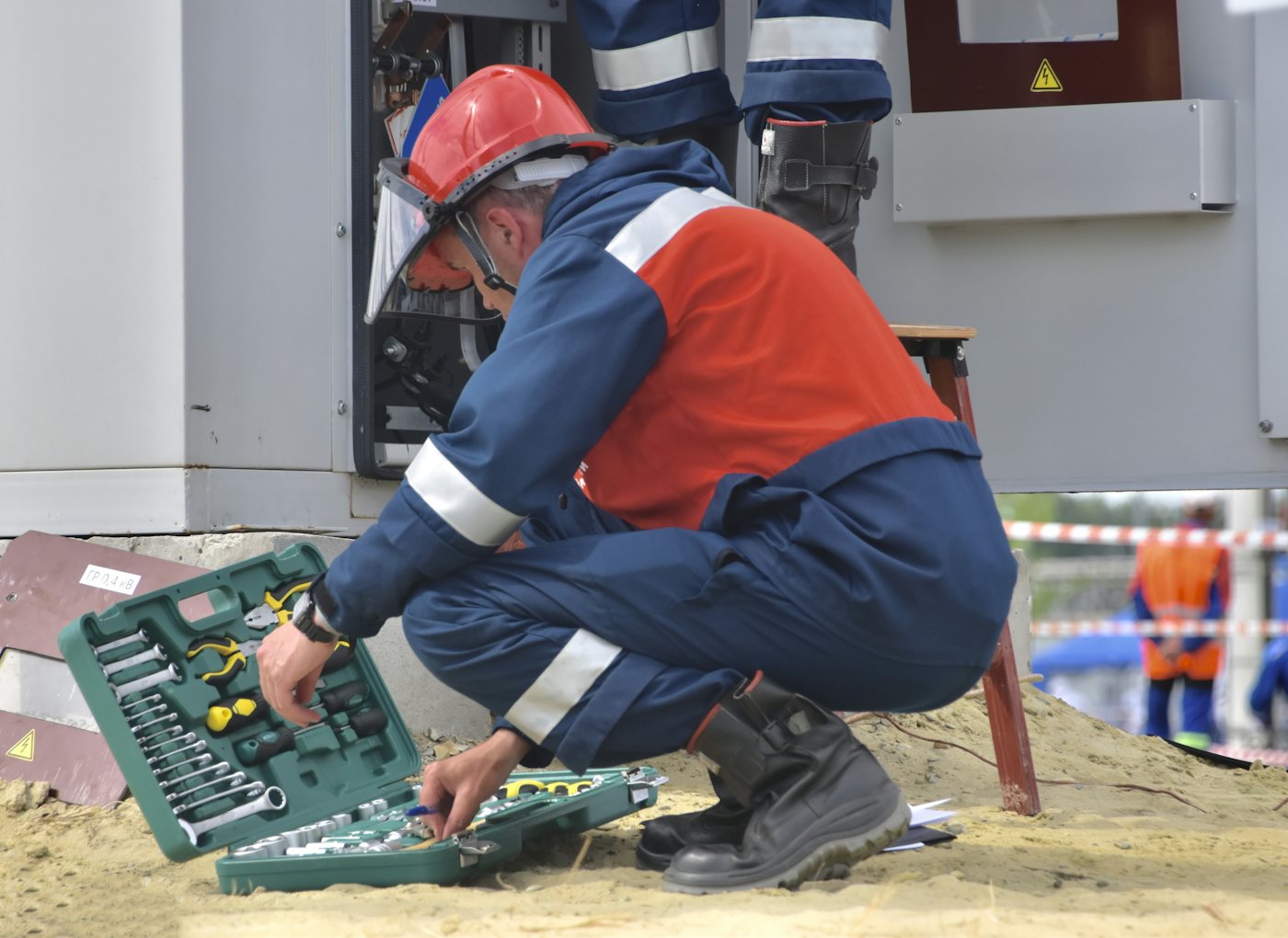
Property managers approach air duct cleaning differently than owner-occupants. They are usually balancing tenant comfort, work-order volume, vendor coordination, after-hours access, and portfolio-level maintenance planning. When dust complaints keep returning in offices, mixed-use suites, or managed buildings, the real problem is often larger than a dirty vent cover. The accessible supply and return path may still be carrying settled dust that routine filter changes and surface cleaning will never remove.
This page is built around that management reality. The service has to be schedulable, well documented, and flexible enough to work across one building or several properties. It also has to help property teams decide whether the issue is primarily duct contamination, a wider ventilation problem, or a maintenance gap that should be addressed on a recurring schedule instead of as a one-off response to complaints.
Cleaner air paths help reduce visible dust and stale-air complaints that keep reopening management tickets.
Managers need service that works with engineering, janitorial, security, and tenant schedules instead of against them.
Several properties can be prioritized by complaint history, tenant turnover, or buildout activity.
Closeout notes matter because managers need a record they can hand to owners, engineers, or the next operations cycle.
For property managers, air duct cleaning supports cleaner HVAC airflow in buildings where dust complaints are persistent, tenants are sensitive to comfort issues, or recent improvements have pushed debris deeper into the system. The point is not to create a decorative cleaning line item. It is to remove a dust source that keeps affecting occupied space and to bring more structure to the maintenance decision around that system.
Useful when several suites or floors keep reporting dust or stale-air complaints.
Managed buildings with multiple occupancies need duct service that fits varied schedules and expectations.
Vacancies, improvements, and move-ins often leave fine debris deeper in the system than routine cleanup reaches.
Managers benefit from one reporting style and one service standard instead of fragmented vendor outcomes.
Property managers usually come to air duct cleaning after several smaller steps have already failed. Filters have been changed. Diffusers have been cleaned. Engineering has checked temperatures. Yet the building keeps producing dust at vents or the same stale-air complaint keeps returning. That pattern usually means the accessible air path still contains buildup that has not been addressed directly.
Tenants notice the same dust pattern at supply and return points even after routine cleaning.
Some suites or zones feel under-served when buildup affects how air is being delivered through the network.
Tenant improvements can leave dust deeper in the system where it keeps recirculating after the project is closed.
Managers often inherit incomplete records that make it difficult to know which buildings have actually been cleaned properly.
Surface cleaning and filter changes do not remove settled debris from the accessible duct path where the complaint is really being generated.
Every recurring complaint consumes time, vendor effort, and tenant trust. Cleaner airflow reduces that drag and creates a clearer maintenance record.
Property managers need the duct-cleaning scope in context. Some complaints are truly duct-related. Others point to a broader ventilation issue that should be routed differently.
Cleaning accessible supply and return sections helps remove one of the particles sources affecting occupied rooms.
A cleaner air path helps teams judge whether the remaining comfort issue is thermal, ventilation-related, or duct-related.
Lower recirculated dust load can improve how spaces feel and how often tenants raise IAQ concerns.
If the problem remains after cleaning, the manager has better evidence for broader engineering or ventilation follow-up.
The process is built to support vendor coordination, portfolio planning, and predictable communication rather than isolated field work.
We identify which properties, floors, or complaint-heavy zones should be prioritized first.
Service is planned around tenant communication, engineering access, and low-disruption work windows.
Dust and debris are removed from accessible supply and return sections where buildup is affecting airflow.
Registers and returns are detailed, and the team checks whether the original complaint pattern has been meaningfully addressed.
You receive notes that can be used for owner communication, maintenance planning, and next-step decisions.
For managed buildings, air duct cleaning is often part of a wider indoor air quality strategy. It supports cleaner airflow in the short term and gives property teams a more reliable baseline for the next round of maintenance decisions. That matters in mixed portfolios where some buildings are complaint-heavy, some have just completed tenant improvements, and others have not had a consistent vendor process for years.
There is also a planning benefit. Once the dust source inside the air path is addressed, managers can see more clearly whether the building needs additional ventilation work, more frequent filter and housekeeping support, or broader engineering attention. This page links directly to those adjacent paths because management intent rarely stops at one isolated cleaning scope.
Managers usually get the best outcome when air duct cleaning is tied to complaint history, turnover, buildout activity, and building condition rather than one arbitrary interval across the whole portfolio.
Buildings with recurring dust or stale-air tickets should be reviewed sooner than a generic portfolio cycle.
Properties coming out of tenant improvements often benefit from a more immediate duct review.
These may be reviewed on a longer cycle when complaint volume is low and building systems are performing predictably.
Regional managers often prioritize the riskiest or most complaint-heavy buildings first rather than cleaning every site at once.
These are the questions property managers most often ask before booking a commercial duct-cleaning cycle.
Yes. This page is specifically designed for portfolio scheduling, priority sequencing, and manager-ready reporting.
Yes. Coordinated access and low-disruption scheduling are part of the commercial process, not an afterthought.
Yes, when the accessible supply or return path is one of the sources feeding dust back into occupied areas.
Yes. We provide practical notes covering cleaned areas, visible findings, and recommended next maintenance steps.
Yes. If the complaint points more to shared airflow or stale common-space air than duct dust, we can route the property toward the ventilation path.
Start with the property showing the strongest complaint pattern, recent buildout history, or the least reliable maintenance record.
Request a commercial quote if you need portfolio scheduling, better tenant-comfort support, or a cleaner maintenance record across office and mixed-use buildings.