Shared-airflow performance
Useful when several occupied areas rely on the same broader ventilation behavior and complaints are spreading across zones.
Building Type
Commercial building ventilation cleaning supports cleaner shared airflow, stronger exhaust performance, and more predictable maintenance in tenant-occupied and mixed-use facilities.
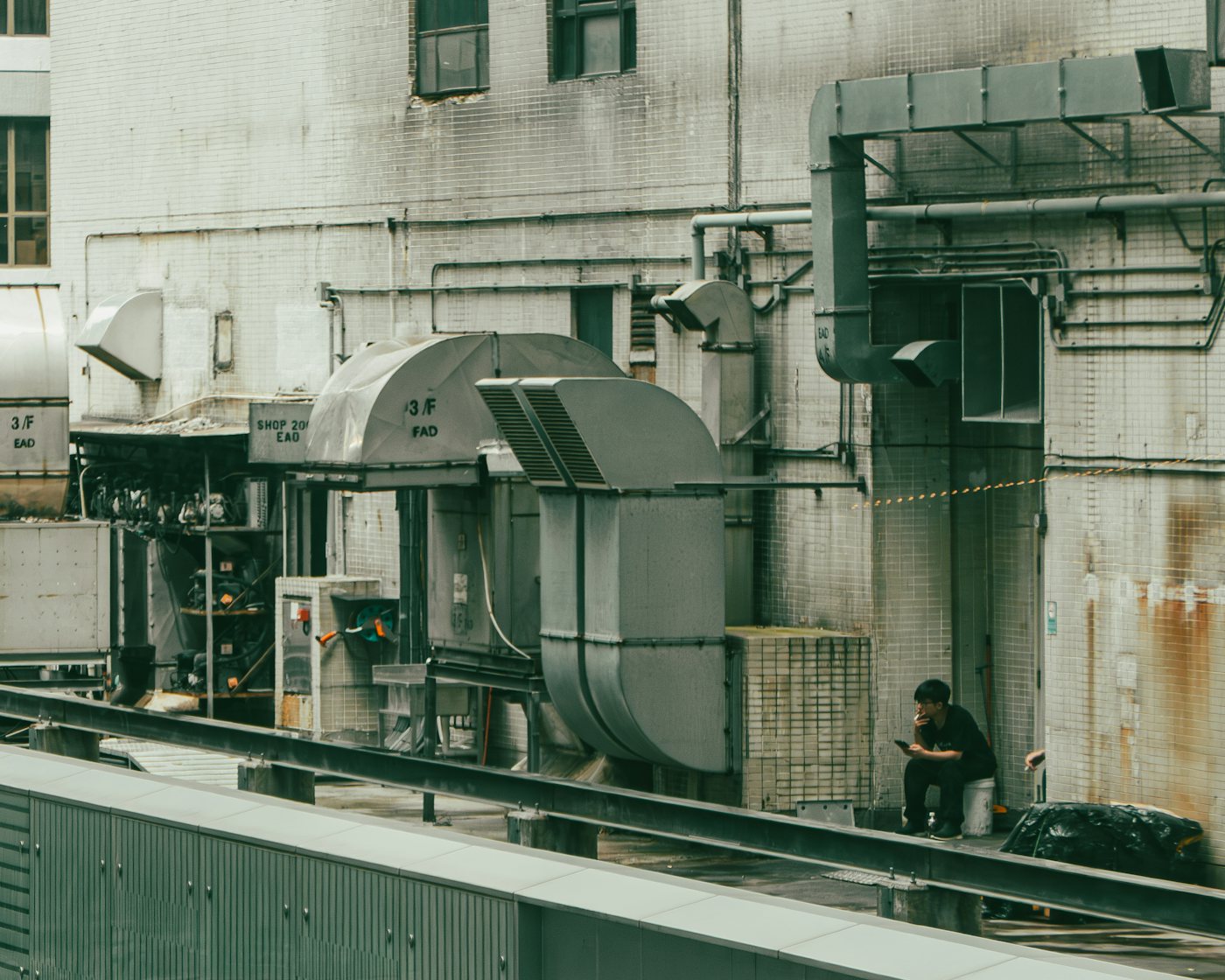
Ventilation cleaning in commercial buildings is usually requested after teams notice a broader performance problem than one dusty diffuser or one isolated mechanical complaint. Corridors feel stale, support areas run warmer than they should, exhaust points underperform, and occupants start describing the building as heavy, stuffy, or harder to work in. That kind of issue sits between comfort, maintenance, and operational safety, which is why commercial ventilation cleaning needs its own B2B landing page.
In office buildings, mixed-use properties, professional facilities, and other tenant-occupied buildings, ventilation maintenance affects how air moves through shared spaces as well as how support zones perform behind the scenes. The service is designed to clean accessible airflow and exhaust-related points, improve building-level airflow behavior, and help teams decide whether the remaining problem is simple buildup or a larger ventilation-management issue.
Useful when several occupied areas rely on the same broader ventilation behavior and complaints are spreading across zones.
Support areas and service zones often show the problem first when exhaust performance has fallen behind maintenance.
Cleaner ventilation can reduce the stale-air feel that drives occupant complaints even when temperatures look normal.
Commercial teams need a clearer path for recurring ventilation care instead of waiting for comfort issues to stack up.
This service is used when the building problem is broader than HVAC duct dust alone. It focuses on shared airflow points, accessible exhaust-related sections, grilles, vents, and common-area ventilation elements that influence how the building clears air. In commercial buildings, that matters because airflow problems affect tenant experience, support-area usability, and the credibility of the building's maintenance plan all at once.
Corridors, lobbies, and support spaces often feel stale first when the building's airflow performance is slipping.
Dirty or underperforming sections can weaken how the building clears air from service zones and back-of-house areas.
Visible airflow points are cleaned where buildup is affecting presentation and performance at the room side.
Building teams get clearer notes on what was serviced and where broader ventilation attention should continue.
Commercial ventilation complaints usually sound simple at first: the hallway feels stale, a support room is too warm, common spaces feel heavy, or building occupants say the air does not seem to move the way it should. But those complaints become operational issues quickly because they affect tenant comfort, engineering workload, and the building's overall maintenance credibility.
Shared spaces can feel under-ventilated when airflow points are dusty or accessible sections are underperforming.
Support areas and service rooms may trap heat or odor when exhaust-related sections are carrying buildup.
Tenants often describe the problem as stuffy air long before engineering identifies the maintenance gap behind it.
Without a planned ventilation review, building teams keep responding to symptoms instead of solving the airflow condition.
Shared airflow means one neglected ventilation point can affect several suites, corridors, or common spaces at the same time.
Stale air and weak exhaust make the building harder to occupy, harder to manage, and harder to defend as well maintained.
Commercial ventilation cleaning supports more than comfort. It gives teams a better handle on airflow behavior, support-area conditions, and whether the building is managing heat and stale air effectively.
Cleaner accessible points help common spaces circulate air more predictably.
Service areas and utility zones function better when the building is clearing air the way it should.
Weak ventilation can allow heat, odors, and stale air to linger in places where staff and occupants feel it daily.
Cleaning helps determine whether the issue is buildup-driven or whether deeper mechanical follow-up is needed.
The process is built for occupied buildings that need cleaner ventilation performance without creating extra disruption for tenants or operating teams.
We identify where the building is experiencing stale air, dirty airflow points, weak exhaust, or comfort complaints.
Service is aligned with occupancy, engineering needs, and the practical limitations of the building's common areas.
Vents, grilles, and serviceable airflow or exhaust-related points are cleaned where buildup is affecting performance.
We assess whether the building is clearing air more effectively and whether the complaint suggests broader follow-up needs.
You receive practical notes on timing, visible risks, and what the next ventilation step should be.
Commercial ventilation cleaning helps restore a cleaner airflow baseline in buildings where the problem is broader than a dusty duct. By improving accessible airflow points and exhaust-related sections, the service can make shared spaces feel less stale and support more stable operating conditions in service areas. That is especially valuable in buildings where occupants are noticing the same comfort issue across several zones.
There is also a planning benefit. Once buildup is removed from the most accessible ventilation points, building teams can see more clearly whether the remaining issue is a broader air-balance problem, an engineering issue, or simply a need for recurring ventilation maintenance. That makes the service useful both as a correction step and as part of a more structured building-maintenance program.
Commercial ventilation timing should follow occupancy, complaint history, heat load, and how heavily the property depends on shared airflow and exhaust performance.
Review more proactively when corridors, lobbies, and support spaces repeatedly feel stale or heavy.
Utility and back-of-house areas usually need shorter attention cycles when heat or weak exhaust is already present.
Properties with several comfort tickets should be reviewed sooner than a generic annual cycle.
Many buildings benefit from tying ventilation cleaning into a broader preventive service framework.
These are the questions commercial building teams most often ask before approving a ventilation-cleaning scope.
Air duct cleaning focuses on the HVAC duct path carrying conditioned air. Ventilation cleaning focuses on shared airflow and exhaust-related performance in the building more broadly.
Yes. A stale-air complaint often points to a ventilation performance issue even when standard temperature readings do not look extreme.
Yes. The process is built for tenant-occupied properties and planned around access and operating constraints.
Yes. Practical reporting is part of the scope so the building team can track what was addressed and what should happen next.
That depends on occupancy, complaint volume, heat load, and whether the building has shared support areas that are already showing performance issues.
Yes. If stale air or weak airflow remain after cleaning accessible sections, the building likely needs broader mechanical review.
Request a commercial quote if your building needs better airflow, cleaner common-area ventilation, or a more structured maintenance response to stale-air complaints.