Homeowners
The problem often starts with one extra cycle, then becomes normal because the vent issue stays hidden behind the wall.
Problem
This page answers the symptom question: what it usually means when a dryer needs extra cycles, how to separate vent-related airflow trouble from normal use, and when that symptom has already moved into service territory.
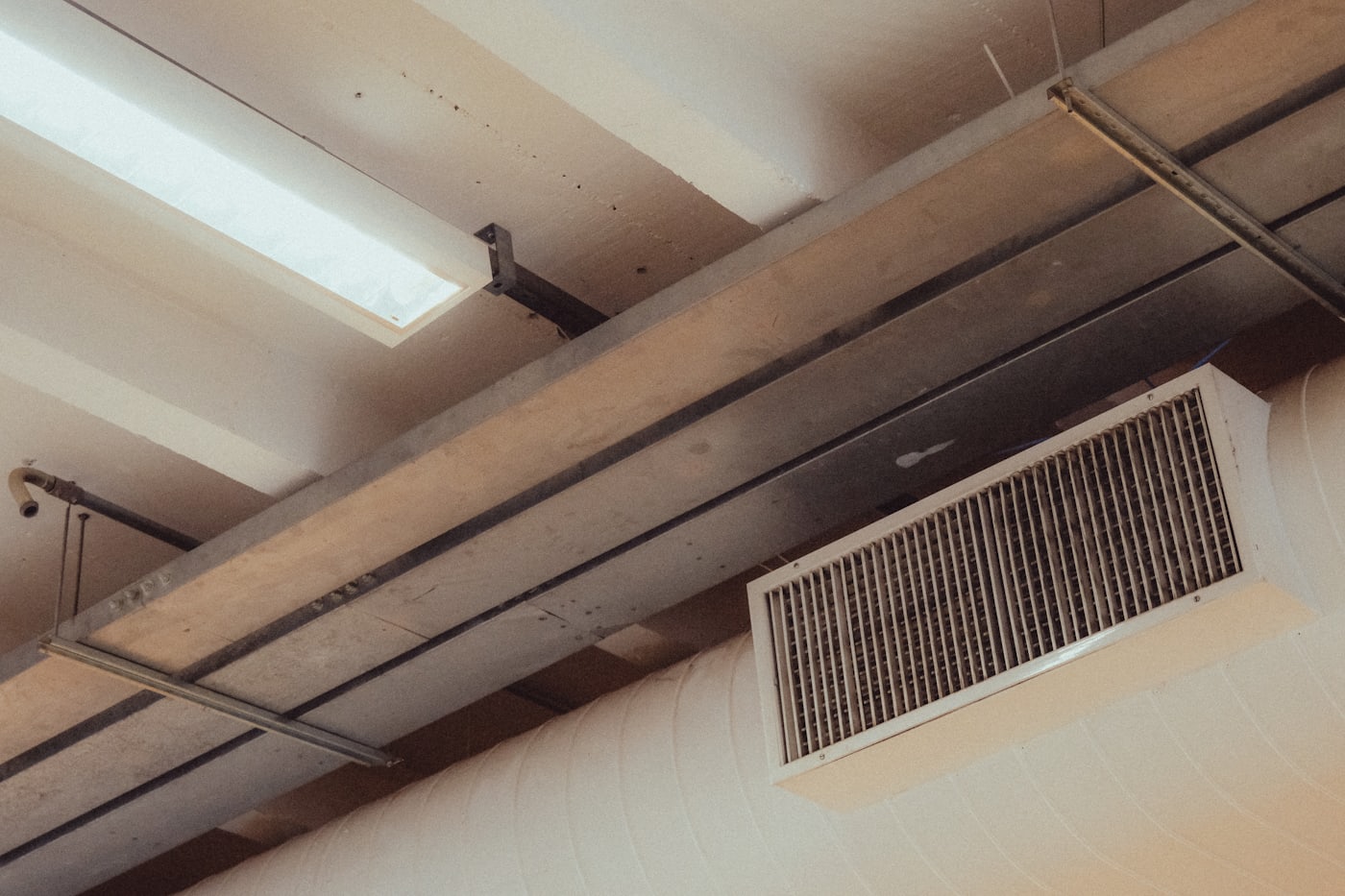
A dryer that takes too long to dry is one of the most common signals that the vent system is not exhausting properly. Most users first notice the problem as inconvenience: laundry takes longer, loads feel warm but still damp, and the machine seems to run much harder than it used to. But behind that symptom is usually an airflow restriction that can increase heat, trap moisture, and push more wear into both the dryer and the vent route.
This problem appears in homes, condos, apartment buildings, hotels, and shared laundry operations. In residential properties it often gets written off as an aging appliance. In commercial and multifamily properties it shows up through repeated resident or staff complaints. In both cases, the symptom is useful because it points directly to the system behavior that needs attention: the dryer is not getting enough exhaust flow to do its job efficiently.
The problem often starts with one extra cycle, then becomes normal because the vent issue stays hidden behind the wall.
Longer dry times often become a shared complaint when stacked units or common laundry lines begin loading lint.
Slower drying directly affects throughput, labor, and operating cost in higher-volume laundry environments.
Repeated dryer complaints are frequently a vent-maintenance issue rather than a string of unrelated equipment failures.
When a dryer takes too long to dry, the system is usually struggling to remove moisture fast enough. A dryer works by pushing warm air through the clothes and then exhausting that moist air outside. If the vent route is obstructed, the machine keeps recycling heat and moisture longer than it should. That means drying slows down even though the drum is still turning and the dryer still feels hot.
In practical terms, this symptom means the dryer is not the only thing to inspect. The appliance may still be fine while the vent route is clogged with lint, pinched, routed poorly, or blocked at the exterior termination. The symptom also means money is being wasted, because longer cycles increase energy use without improving output.
The machine keeps spending extra runtime trying to do what normal airflow should have handled already.
Restricted discharge means the dryer and the vent path can run hotter for longer than intended.
Long cycles raise utility cost and equipment stress without giving better drying performance.
The symptom often means lint buildup or airflow restriction has already been forming for a while.
The most common cause is a clogged or partially clogged dryer vent. Lint settles inside long runs, elbows, rooftop terminations, and exterior hoods. But that is not the only cause. Crushed flex transitions, poor vent materials, excessive route length, blocked exterior dampers, and high dryer volume in multifamily or commercial settings can all reduce airflow enough to cause the symptom. Sometimes the dryer is blamed first, even though the exhaust path is where the real restriction lives.
Hidden lint past the lint trap is still the main reason dry times start stretching.
Bends, crushed transitions, and long concealed routes slow the exhaust enough to affect drying.
Exterior hoods and rooftop points can trap lint and make the system look functional while it underperforms.
Apartment laundry rooms, hotels, and laundromats load lint faster and usually need shorter service intervals.
Long dry times are easy to dismiss, but the symptom has real cost and safety consequences when it keeps being ignored.
Extra cycles mean extra electricity or gas use every time the dryer runs.
The dryer works longer and hotter, which can shorten component life and increase maintenance calls.
Restricted airflow can make the machine and surrounding laundry area noticeably hotter.
If lint is the cause of the restriction, the longer the condition persists, the more serious the fire hazard becomes.
This problem connects directly to dryer vent cleaning because cleaning is the service that restores exhaust airflow when lint buildup is the main restriction. It also connects closely to lint buildup in dryer vents, because that buildup is one of the main reasons a dryer starts taking too long to dry. And it connects to energy waste because every extra cycle means paying more for a machine that is struggling against a blocked exhaust path.
For apartment buildings, hotels, and laundromats, this symptom also translates into labor and throughput losses. Slower drying means reduced machine availability, hotter laundry rooms, and more frustration for residents, guests, or staff. What starts as a minor delay often ends as a predictable maintenance issue that should have been handled earlier. If you want the underlying lint-path explanation, see how dryer vents get clogged.
If the dryer takes too long to dry, also look for hot dryer surfaces, warm laundry rooms, a burning smell, weak outside exhaust flow, more lint than usual near the vent termination, and clothing that stays damp at the end of a normal cycle. Several signs together strongly suggest the vent route is restricted enough to need service.
This is one of the most obvious signs that moisture is not leaving the system efficiently.
Extra heat at the cabinet or door often points to poor exhaust flow.
Heat and humidity often build up in the laundry area when the vent route is not clearing properly.
A weak termination discharge is a practical sign that the line is struggling to move air out.
If long dry times have become consistent, if the vent has not been cleaned in a long time, or if the system is also showing heat, odor, or visible lint outside the normal lint screen, professional service is the right next step. The issue is no longer just a convenience problem at that point. It is affecting safety, cost, and equipment performance.
Book service sooner if the dryer is overheating or if a burning smell appears during use.
If loads suddenly need extra cycles, the vent path should be checked before assuming the dryer itself has failed.
Hotels, apartments, and laundromats should not wait because longer cycles directly affect operations and risk.
If no one knows when the route was last cleaned, that uncertainty is itself a reason to inspect it.
These are the questions users ask most often when a dryer suddenly starts taking longer to finish each load.
Very often, yes. Restricted airflow in the vent route is one of the most common reasons drying time increases.
Yes. That is why the symptom is misleading. The machine can still feel hot while drying more slowly because moisture is not clearing properly.
Yes, when airflow restriction is the cause. Restoring the exhaust path can reduce extra cycle time and wasted runtime.
Yes. Higher use means slower drying can affect more people and increase risk faster than in a low-volume residential setup.
Repeated use without checking the exhaust path can increase heat buildup and should not become the normal workaround.
If long dry times are consistent or paired with heat, odor, or visible lint, it is time to book professional service.
If the symptom is consistent, book service before longer cycles turn into higher energy waste and a bigger exhaust-safety problem.